.jpg)
.png)
Lead Generation: How to Attract, Qualify, and Convert More Clients
Lead generation might sound like marketing jargon, but strip away the buzzwords, and it is really about one thing: connection. It is the pulse of any business that actually wants to grow. Quick hacks and viral moments fade fast. Real growth comes from knowing who cares about what you do, keeping their attention, and turning that first spark of curiosity into something that lasts. That understanding is at the core of learning how to generate leads that truly matter
A lead is just someone who has shown a little interest. Maybe they filled out a form, downloaded a guide, or hit subscribe because your message hit the right note. That small action is your opening. It is the digital version of eye contact across the room, a sign that says, “I am listening.” What you do after that moment is what counts. You can either build a relationship or let the moment pass. The smart brands choose the first option.
Lead generation is what happens after that moment. It’s the process of attracting, qualifying, and nurturing those people until they’re ready to buy. Think of it as equal parts magnet, filter, and gardener: you draw the right crowd in, figure out who’s worth your time, and help them grow into paying customers.

Every business juggles three kinds of people:
- Leads, who’ve shown interest.
- Contacts, whose details you’ve collected.
- Clients, who’ve crossed the line and paid you.
Between those steps comes lead qualification – the reality check. You figure out whether a person actually fits your target audience and if they’re serious about buying. Some will be window shopping. Others are halfway to checkout. Sorting them saves everyone time.
Then there’s nurturing, the art of staying in touch without being annoying. You send smart, relevant content, answer real questions, and show how your product makes life easier. Done right, it feels like a conversation, not a campaign.
Too many marketers still chase numbers. They brag about “10,000 new leads this quarter,” but most of those people barely remember the brand. Volume looks impressive on a dashboard, but quality is what pays the bills. A hundred people who genuinely care about your offer are worth more than a thousand cold clicks.
The secret to effective lead generation isn’t flashy tech or clever ads. It’s empathy, timing, and trust. Find the right audience, talk to them like humans, and stay consistent. That’s how leads turn into loyal clients, and how marketing starts to actually mean something.
6 Lead Generation Trends for 2025
Lead generation is changing fast. The era of mass emails and copy-paste ads is over. People expect relevance, personality, and real value from the first moment they come across a brand. The marketers who get this aren’t guessing anymore; they’re predicting what their audience needs and when they need it. The result is a smarter, more human kind of lead generation built on real data and genuine connection.
Here are the key trends shaping how businesses attract and convert leads today.
1. AI-Powered Lead Generation
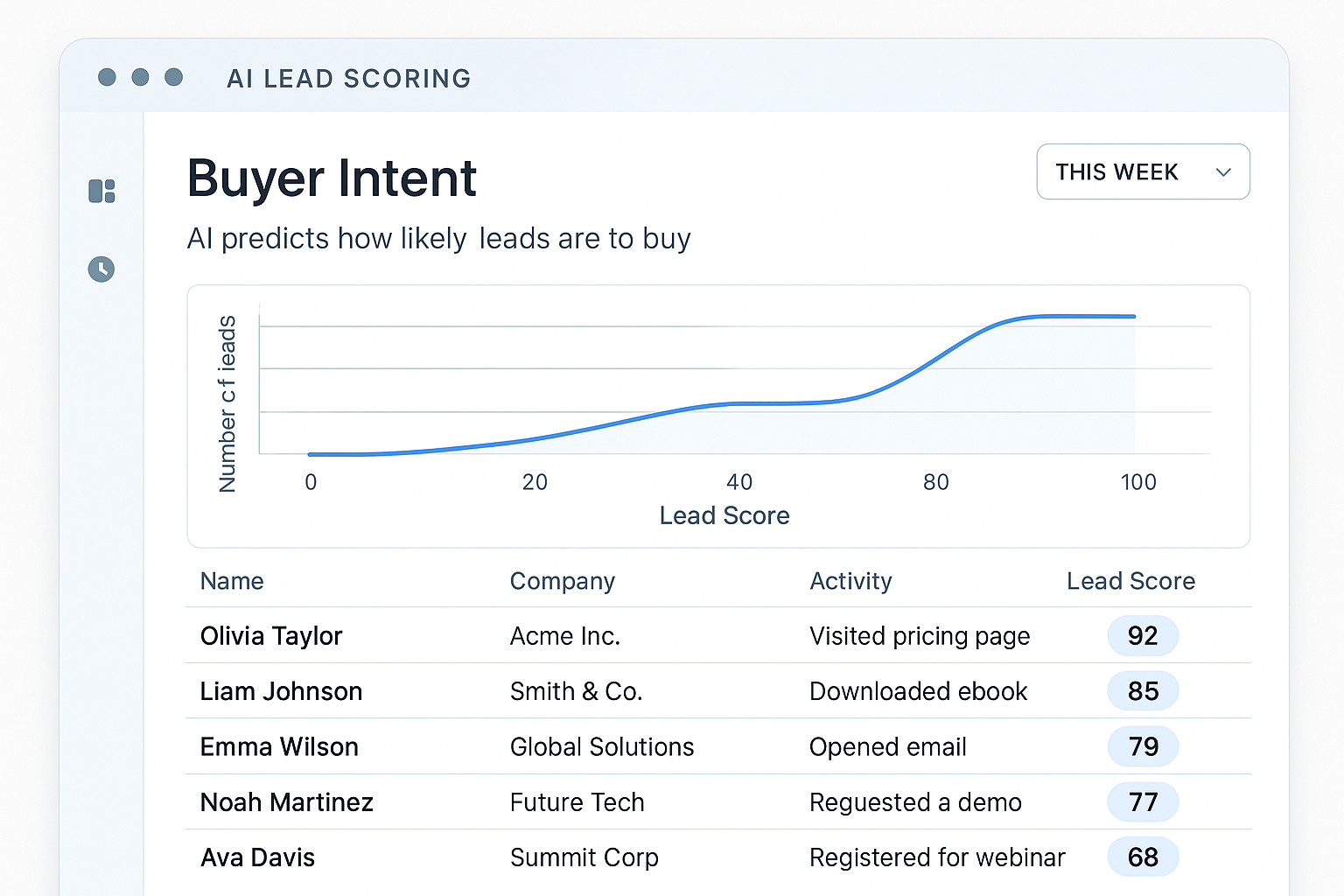
Artificial intelligence has quietly become the engine behind most modern marketing systems. It studies patterns, predicts buying intent, and automatically scores leads based on behavior. Machine learning helps identify which prospects are most likely to convert, so sales teams can focus where it truly matters. Predictive analytics turns data into direction. Instead of asking “who should we target,” marketers can ask “who’s ready.”
2. Zero-Party and First-Party Data
With cookies fading out and privacy rules tightening, marketers are rethinking how they collect information. The shift is toward zero-party and first-party data – the kind people choose to share directly through forms, surveys, and quizzes. When users volunteer details, you get accuracy, context, and permission. It’s a move away from spying and toward collaboration.
3. Interactive Content
Static landing pages don’t cut it anymore. People want to click, explore, and get something meaningful in return. Quizzes, calculators, and polls turn the old data form into an experience. A quiz can match a user with the right product while revealing what matters most to them. Engagement becomes qualification, and visitors feel understood, not targeted.

This is what a typical quiz looks like
4. Account-Based Marketing (ABM)
For B2B companies, ABM is still one of the most effective strategies around. Instead of broadcasting to everyone, teams focus on a small number of high-value accounts. Marketing and sales work together to tailor messages, campaigns, and offers to those specific businesses. It’s slower but smarter – one strong partnership often beats a thousand cold leads.
It might feel slower to research a specific company than to blast an email to thousands, but the payoff is undeniable. The data proves that quality beats quantity every time. According to recent industry benchmarks, 87% of B2B marketers report that ABM delivers a higher return on investment than any other marketing activity. Companies that treat prospects like VIPs see an average 170% increase in annual contract value.
5. Hyper-Personalization
Personalization has grown up. It is no longer about adding a first name to an email. With AI and behavioral data, brands can fine-tune everything from tone and timing to content so it matches individual preferences. When done right, it feels natural, as if the brand truly knows you.
A McKinsey report highlights that 71% of consumers expect companies to deliver personalized interactions, and 76% actually get frustrated when this doesn’t happen. Companies that excel at personalization generate 40% more revenue from those activities than average players. In 2025, if you aren’t personalizing, you are actively annoying your potential clients.
6. Voice Search and Mobile-First Experiences
Most people browse and search from their phones, often using voice commands. If your landing pages don’t load fast or respond naturally to spoken questions, you’re losing leads before the conversation even starts. Convenience wins every time, and mobile is where most decisions happen.
The window of opportunity here is incredibly small. Google data reveals that 53% of mobile site visits are abandoned if a page takes longer than 3 seconds to load. In a world of instant answers, patience is non-existent. Moreover, this is a massive driver for local traffic, with 58% of consumers using voice search specifically to find local businesses. If your content is optimized for the way people speak, you become the first answer they hear.
Lead generation today isn’t about shouting louder. It’s about paying closer attention. The brands that balance technology with empathy, data with instinct, are the ones people genuinely want to hear from.
Lead Generation Channels: Where to Find Your Clients
Leads don’t fall from the sky. They come from channels, the places where your audience spends time, searches for answers, and makes decisions. The trick isn’t to be everywhere but to show up where you matter most. That means understanding how each channel works, what kind of leads it brings, and how to make them support each other.
Here’s how today’s most effective lead generation channels work in practice.

Inbound Lead Generation
Inbound is the quiet achiever of marketing. It earns attention by being useful. You publish blog posts that answer real questions, host webinars that teach something valuable, and optimize your site so people can find you naturally through search. You might run a quiz that helps someone figure out what they need before you ever mention your product. The goal is to build trust before asking for a sale.
Inbound takes patience, but the results are worth it. Leads that come through inbound channels already know your brand and believe in what you do. They've read your content, they like your tone, and they often show up halfway convinced. Inbound leads cost 62% less to acquire than outbound ones, and they convert significantly better. It's slow-burn marketing that turns credibility into customers.
Outbound Lead Generation
Outbound is more direct. It’s the part of marketing that knocks on doors instead of waiting for them to open. Think cold emails, paid ads, event outreach, or direct messages. When done poorly, it feels like spam. When done right, it’s powerful.
Good outbound marketing focuses on precision. It uses data to find the right people and reaches them at the right moment. The average cold email gets a response rate around 5%, but well-targeted campaigns with personalized messaging can push that to 15-25%. A single well-written email or a smartly placed ad can start a conversation that inbound content alone might never reach.
Retargeting
Most people don’t convert on the first visit. Retargeting keeps you visible without being annoying. It reminds people who have already visited your site or clicked your ad that you are still there when they are ready to buy. The trick is subtlety: clear timing, simple copy, and a natural reminder rather than pressure. The effectiveness speaks for itself: retargeted users are 43% more likely to convert than first-time visitors.
Supporting Methods That Strengthen Every Channel
These tools make every channel stronger by improving engagement, collecting better data, and keeping conversations alive:
- Interactive Content. Quizzes, calculators, and surveys are engagement tools that also collect valuable data. People enjoy using them because they feel like play but still get something useful in return. For businesses, interactive tools turn curiosity into qualification in seconds.

Calculators turn simple inputs into instant, personalized results that keep users engaged*
- Chatbots and Conversational MarketingChatbots are now more than automated responders. They can ask questions, qualify leads, and pass information to sales in real time. Such automation improves the speed and accuracy of lead qualification.Conversational marketing replaces long forms with instant help and keeps people engaged while they are still interested.
- **Account-Based Marketing (ABM)**ABM is a strategy built around focus. It helps B2B companies target high-value accounts that truly fit their offer. Marketing and sales teams collaborate to understand each company’s challenges and design campaigns that speak directly to them. One strong relationship can be more valuable than hundreds of cold leads.
The most effective lead generation plans combine all three main channels. Inbound builds trust, outbound creates momentum, and retargeting keeps the conversation alive. Add interactive tools, chatbots, and ABM, and you get a system that attracts people naturally and keeps them coming back.
How the Lead Generation Funnel Works
Every sale starts with curiosity and ends with a decision. Everything that happens in between is the funnel – the structure that guides potential customers from their first click to the final handshake. It is not a guessing game. It is a sequence of steps that, when done well, feels natural and effortless.
The funnel moves through five key stages: Attract, Capture, Qualify, Nurture, and Convert.

Attract
This is where you earn attention. The goal is to bring traffic through SEO, ads, and interactive experiences that catch the eye and feel worth exploring. It might be a how-to article that solves a real problem, a social post that sparks curiosity, or a quick quiz that offers instant value. Attraction is not about shouting louder; it is about showing up with something useful when people need it most.
What is important at this stage?
Focus on relevance and not volume. One targeted piece of content that answers a specific pain point will outperform ten generic posts. Know where your audience spends time and meet them there with value first, pitch second.
Capture
Once someone is interested, the next step is connection. Landing pages and lead magnets make that possible. A landing page focuses on one clear offer. A lead magnet gives the visitor a reason to share their information, like a free guide, a checklist, or a short webinar that genuinely helps. When this stage works, it feels simple and worthwhile for both sides.
What is important at this stage?
Simplicity is the best. If your form has more than three fields, you are asking too much. The trade should feel fair, your lead magnet needs to deliver real value.
Qualify
Not everyone who shows interest is ready to buy. Lead scoring helps separate curious browsers from serious buyers. Each action, such as opening an email or visiting a pricing page, adds points that reveal how close someone is to conversion. This process helps teams focus on the people who are most likely to move forward.
What is important at this stage?
Ask the right questions early. Budget, timeline, and decision-making authority matter more than job titles. The sooner you identify serious intent, the less time your sales team wastes on tire-kickers.
Nurture
This is where trust grows. Through well-timed emails, helpful content, and personalized messages, you guide leads from awareness to decision. Nurturing is not about pressure. It is about staying relevant and consistent so that when a lead is ready to act, your brand is already the obvious choice.
What is important at this stage?
Sending one valuable email per week is better than bombarding someone daily with fluff. Use behavioral triggers. If they clicked on pricing, send a case study, not another product overview.
Convert
When a lead is ready to buy, the handoff between marketing and sales must be smooth. Sales alignment makes sure every interaction, note, and score is visible, so the conversation feels familiar instead of repetitive. That continuity turns interest into commitment and helps close the deal faster. This transition is what defines effective lead conversion.

Picture this: someone lands on your site and takes a short quiz to find the right solution for their needs. They get instant results and leave their email to learn more. Over the next few days, they receive a friendly email series with practical tips and real success stories. Curiosity turns into trust, and they schedule a free consultation. After that conversation, buying feels like the natural next step. This entire path flows smoothly, just as a good funnel should.
The funnel does not stop at conversion. Marketers who study the full customer journey understand that every step, from the first quiz to the final purchase, connects to the next. By mapping that journey and removing friction, they make buying feel easy and natural. When the process makes sense, success follows.
Personalization and Automation in 2025
Modern marketing runs on two engines: technology and timing. Automation keeps everything moving, while personalization makes it feel human. The challenge is blending both so that leads are treated like people, not data points. When done right, automation does not replace connection; it amplifies it.
CRM Integration
Every lead leaves a trail of information, and CRM integration makes sure none of it gets lost. It connects marketing and sales so that data flows automatically between them. When someone fills out a quiz, clicks an ad, or downloads a guide, that information appears instantly in the CRM. No double entry, no broken communication. Teams stay aligned, and the lead gets a seamless experience from first contact to follow-up.

Marquiz.io connects quizzes with CRM systems to automatically sync and manage lead data.
Marketing Automation
Marketing automation has become the silent powerhouse behind modern campaigns. Smart systems manage repetitive work such as email sequences, lead scoring, and retargeting, so teams can focus on strategy and creativity. Every interaction, from a welcome email to a reminder about an abandoned cart, can run automatically and still feel timely.
Personalization
Personalization is where automation turns into real connection. By using behavior and demographic data, marketers can tailor messages that actually matter. Someone who downloads a beginner’s guide might get an educational video, while another lead who visited a pricing page receives a product comparison. Personalization is not about adding a name to a subject line. It is about sending the right message at the right moment.
Data Enrichment
Good data becomes great when it is enriched. Adding details like company name, job title, and browsing behavior helps qualify leads faster and craft messages that hit the mark. It is what turns a cold contact into a real opportunity.
AI in Practice
Artificial intelligence ties everything together. AI lead generation tools can route leads to the right manager, score them by purchase readiness, and even suggest the next step automatically. It is how marketing becomes predictive instead of reactive.
Interactive Lead Qualification
Marquiz.io combines automation, personalization, and AI in one place. A business can create an interactive quiz that captures data in real time, qualify leads automatically based on answers, and send the results straight into a connected CRM. The system can then trigger personalized emails or offers depending on quiz outcomes. The result feels smooth for the user and effortless for the marketer, a perfect mix of automation and human touch.
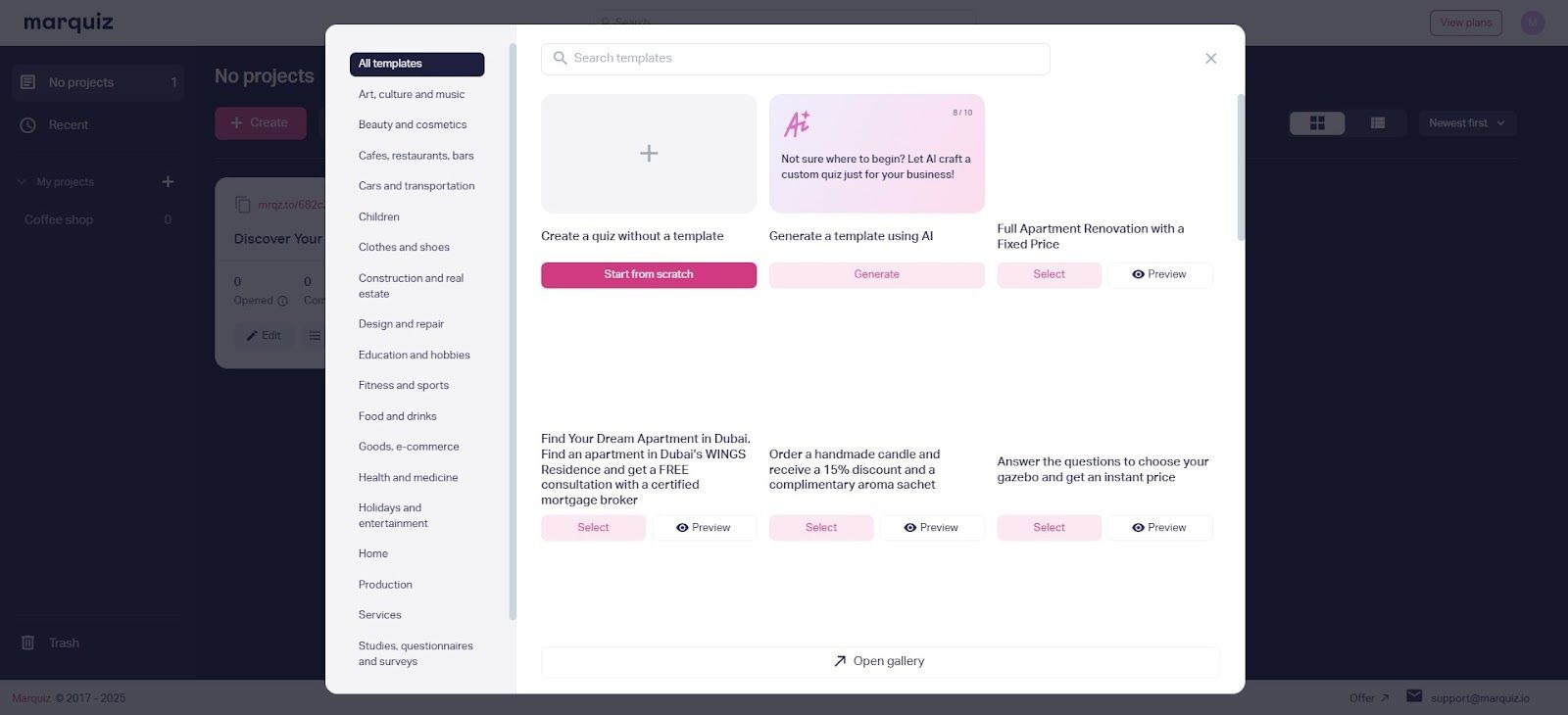
With Marquiz, you can pick from ready‑made quiz templates for different types of businesses or create a custom quiz with AI in just minutes.
Predictive Lead Scoring
Tools like 6sense and Factors.ai analyze dozens of behavioral signals (website visits, content downloads, email engagement) to assign each lead a score that predicts their likelihood to convert. Instead of manually reviewing every lead, your sales team gets a prioritized list of prospects who are actually ready to buy.
Conversational AI and Chatbots
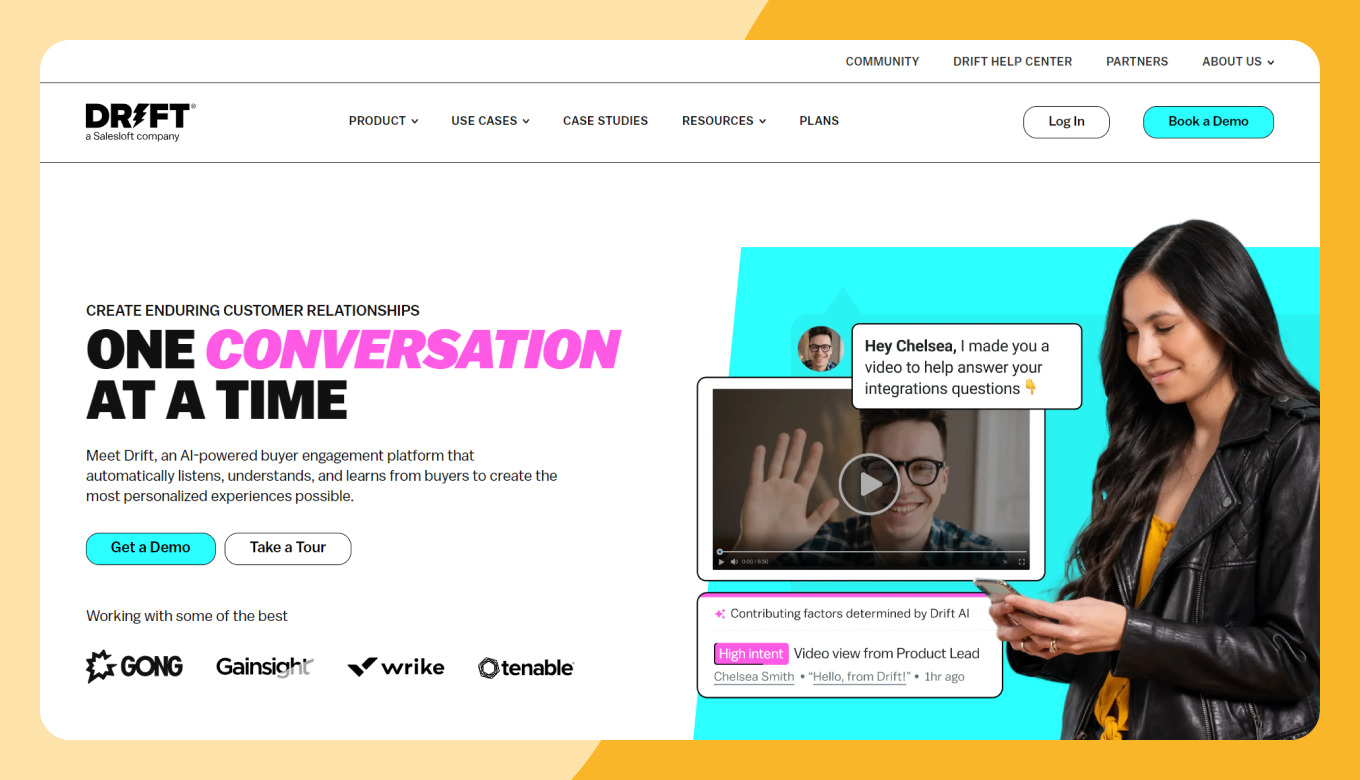
Platforms like Drift and Intercom use conversational AI to engage visitors in real-time, ask qualifying questions, and route hot leads directly to sales while they are still on your website. The advantage is speed, no more waiting for someone to fill out a form and hoping they respond to a follow-up email two days later. The conversation happens when intent is highest.
AI-Powered Email Personalization
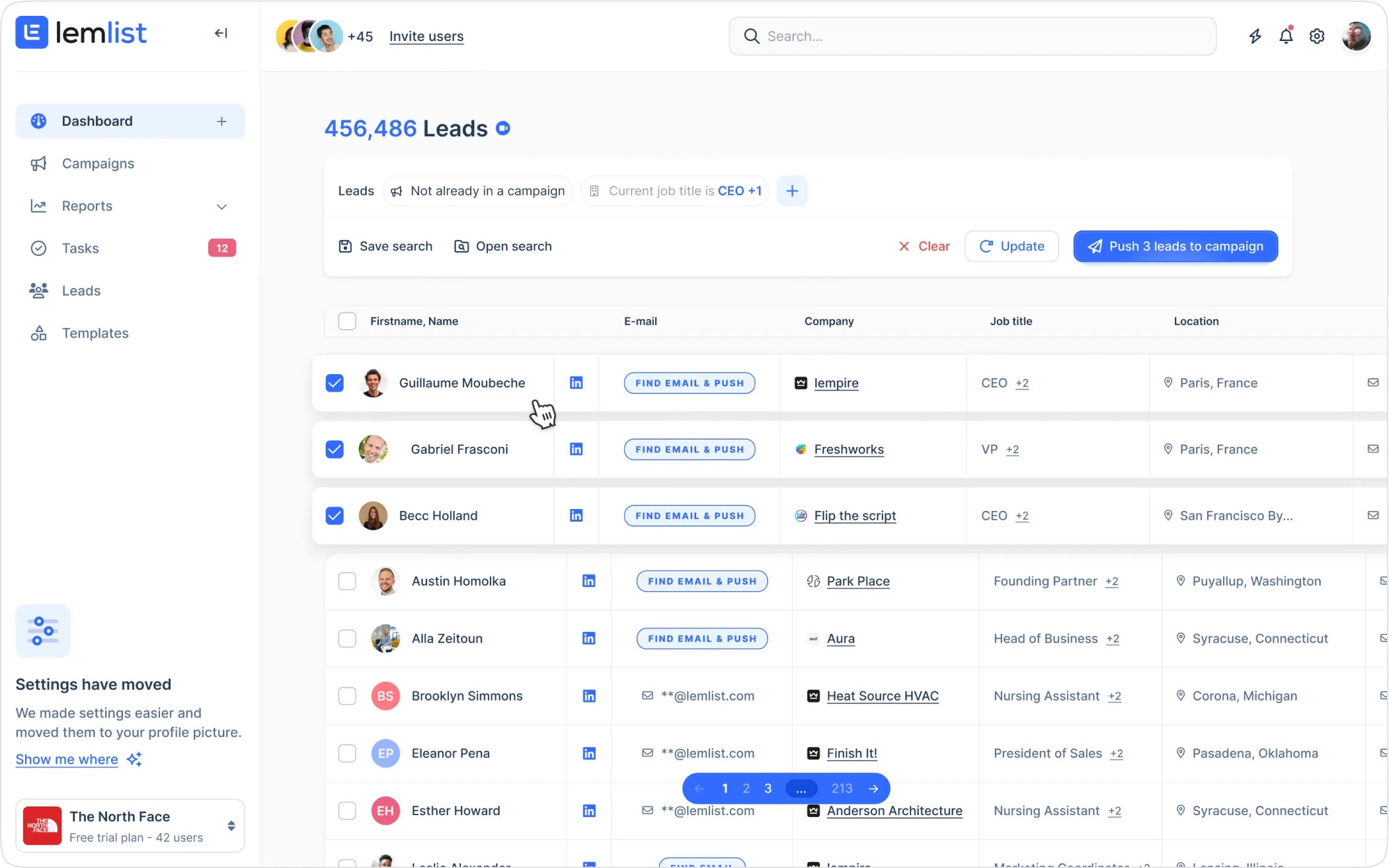
Tools like Instantly.ai, Lemlist, and SalesForge automate cold outreach at scale while keeping messages personal. They analyze recipient behavior, adjust subject lines, and optimize send times based on engagement patterns. The result is email campaigns that feel handcrafted but reach thousands. Personalized AI-generated emails see response rates 3x higher than generic blasts.
Metrics, Analytics, and Measuring Success
Lead generation only works if you can measure it. Numbers tell the story that instincts can’t. They show where your marketing shines, where it leaks, and what actually drives revenue. Behind every great campaign is a stack of metrics that keeps the team honest and the strategy sharp.
Key Metrics
Marketers rely on a few core numbers to track how well their funnel performs and where it needs improvement:
- CPL (Cost per Lead): Shows how much you spend to attract each new prospect.
- CR (Conversion Rate): Measures how many of those prospects take the next step, whether signing up, booking a call, or making a purchase.
- CAC (Customer Acquisition Cost): Adds up everything it takes to turn a stranger into a paying customer.
- LTV (Lifetime Value): Reveals how much revenue one customer generates over time, helping you see the bigger financial picture.
- ROI (Return on Investment): Ties it all together by showing how much you earn for every dollar spent.
These numbers do not exist in isolation; they work together to tell the story of your marketing efficiency.
If your CPL is low but your CR is weak, you may be attracting the wrong audience. If your CAC keeps rising while LTV stays flat, your growth may not be sustainable. When LTV consistently exceeds CAC, your business has room to scale. And ROI shows how all these efforts translate into real profit.
These metrics are the pulse of your lead generation system, showing whether your strategy is built for growth or just activity.
Predictive Analytics
Data does not just record the past – it predicts the future. Predictive analytics uses patterns from past performance to forecast what will happen next. It helps you see which leads are most likely to convert, which campaigns will deliver the best results, and where to shift your budget for maximum return. It turns data from a rearview mirror into a roadmap.
Cross-Channel Lead Tracking
Leads don’t come from one place. They move across ads, social posts, emails, and landing pages before making a decision. Cross-channel tracking helps you connect those dots. By following a lead’s path from the first click to final purchase, you can see which sources deliver high-quality leads and which ones waste spend. This kind of visibility is what separates guesswork from precision.
Conversion Optimization and A/B Testing
The most successful teams never stop testing. A/B testing lets you compare two versions of a page, email, or ad to see which performs better. Sometimes it’s a headline. Sometimes it’s a button color. The point is to keep learning. Google Analytics, CRM dashboards, and Marquiz’s insights turn that testing into clarity.
Marquiz.io makes experimentation easy, letting you run A/B tests on quizzes to discover which version attracts and converts more leads.
The math might look simple, but the meaning isn’t. Metrics reveal behavior. Analytics show patterns. Together they turn marketing from an art into something closer to science.
Common Mistakes and Myths
Even the strongest lead generation strategy can fall apart if it is built on bad habits. The mistakes are often small but costly, eating away at performance and wasting both time and budget.
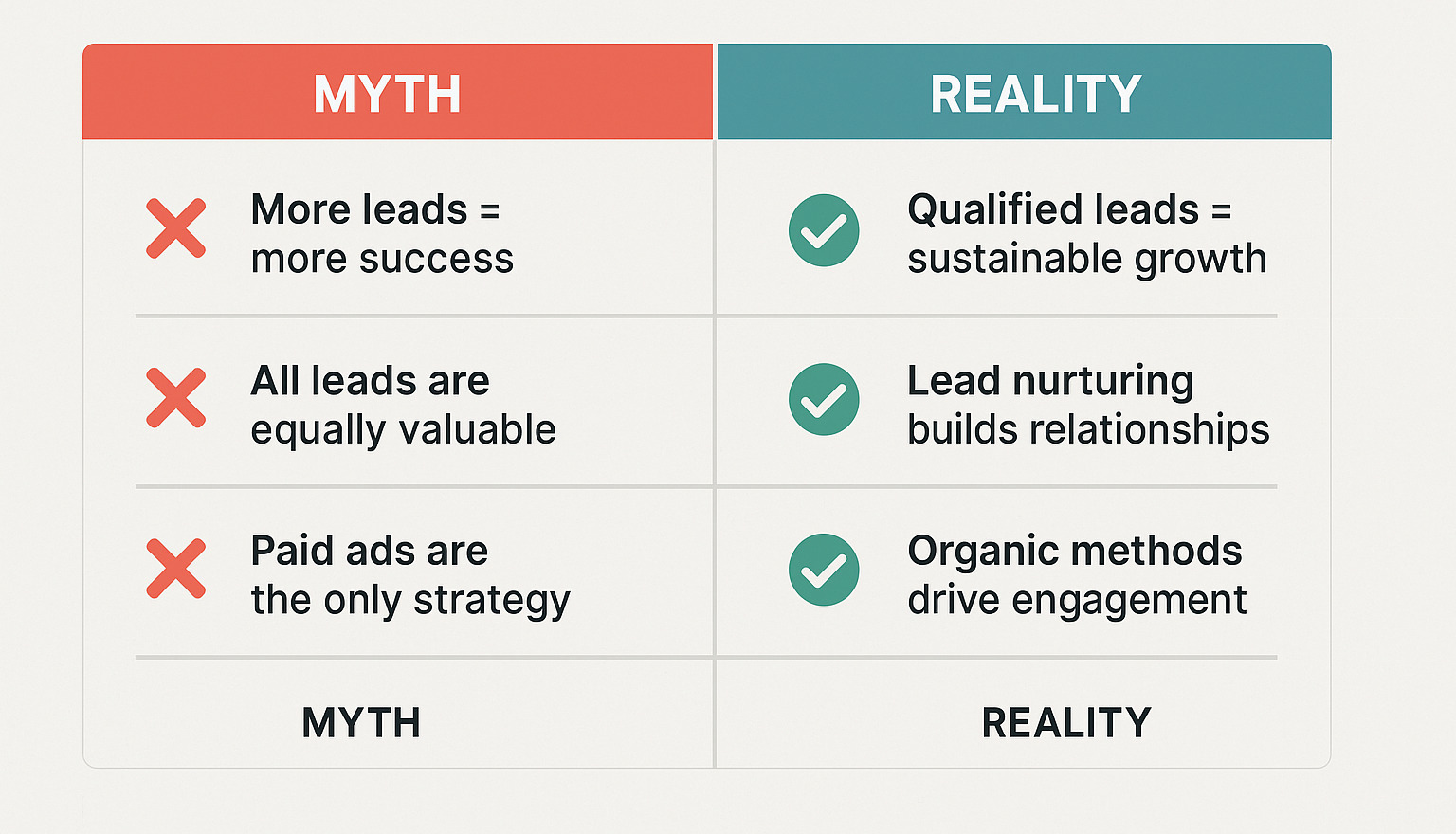
❌ Focusing on quantity instead of quality
Many teams still chase numbers, treating leads like trophies instead of people. A large database looks impressive, but if most of those contacts will never buy, it is just noise. The fix is segmentation. Divide your leads by interest, behavior, or readiness to purchase so that each group receives messages that make sense for them.
❌ Ignoring lead nurturing or skipping personalization
Leads rarely convert after one touch. If they do not hear from you again, they forget you. Consistent nurturing keeps them engaged. Use automation to send personalized content at the right moments. Helpful communication builds trust faster than any sales pitch.
❌ Weak CRM integration and poor analytics
When marketing and sales work from different systems, opportunities disappear. CRM integration ensures both teams see the same information and act on it quickly. With analytics in place, you can track what works, fix what does not, and stop guessing.
❌ Relying only on paid ads
Paid campaigns can fill your pipeline fast, but they are not a long-term plan. Combine them with organic channels like SEO, social media, and interactive content to keep lead flow steady and affordable.
✅ Solutions
Automate repetitive tasks, align marketing and sales, and keep testing. A/B testing, clear segmentation, and steady optimization turn common mistakes into consistent progress.
Conclusion
Lead generation is not about chasing clicks or stuffing your CRM with names. It is about people—real humans with questions, goals, and problems to solve. Build connections, not contact lists.
The magic happens when structure meets heart. A clear funnel keeps things organized. Automation handles the boring stuff. But trust is what makes it all work. People buy from brands they believe in.
Keep testing. Keep improving. Personalize enough to show you care, but align your teams so the experience feels seamless. When marketing feels human, results follow naturally.
The future of lead generation is not louder or flashier. It is smarter, kinder, and more personal. Make every lead feel seen, help people make the right choice, and growth will follow you like a shadow.


.jpg)