
How to Improve a Lead Quality and Conversion Rate
A quality lead is more than just a name in your database — it’s someone who is genuinely interested in your product, has a real need for it, and is ready to take action. The best leads know what they want and are open to a conversation.
But what if your leads keep ghosting you? If people don’t remember signing up or their phone numbers don’t even work, something’s broken in your sales funnel. You can fix this by refining your targeting and optimizing your marketing strategy.
Why Lead Quality Matters More Than Lead Volume
Why more leads ≠ more revenue? This is basic math that’s forgotten too often. Let’s look at specific numbers.
Scenario 1: You have 1000 leads with a conversion rate of 0.5%. These are 5 real deals. The average check is $10,000. Income: $50,000.
Scenario 2: You have 100 leads with a 10% conversion rate. This is also 5 transactions, the same income of $50,000.
But look at the efficiency. In the first case, you spent $50,000 on advertising to earn $50,000 in revenue. ROI = 0% (you just returned the investment without earning). In the second case, you spent $5,000 on advertising and received $50,000 in revenue. ROI = 900%.
Do you see the difference? First company lives from paycheck to paycheck and the other company can invest profits in development, hire the best people, and expand into new markets.
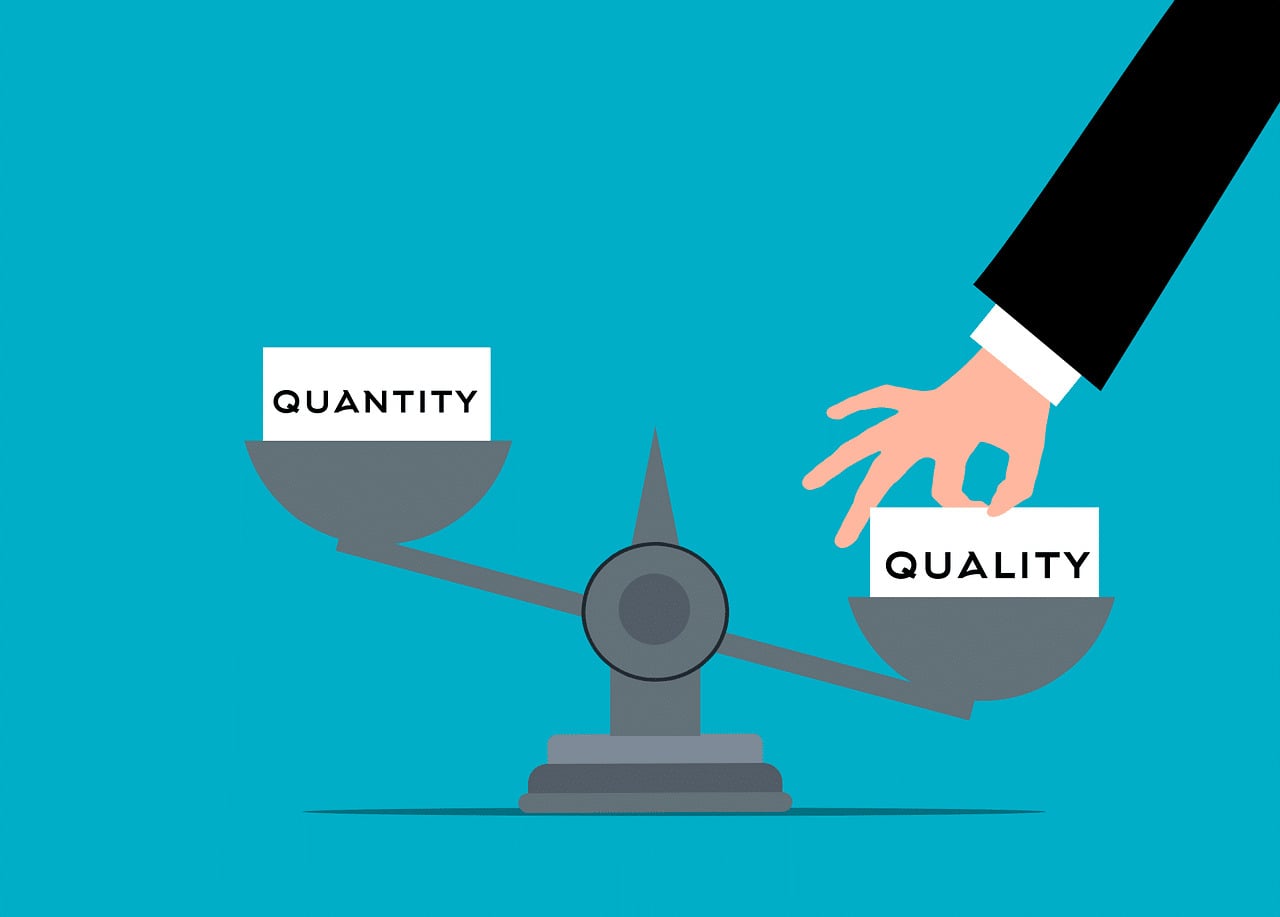
But the story doesn’t end there. Low-quality leads bring another hidden loss: they spoil the base. You accumulate thousands of dead contacts in your CRM that will never buy. This complicates analytics. When you’re trying to figure out which traffic source is the best, you’re looking at dirty data. One source gives a 15% conversion rate, the other – 2%, it’s just not visible through the noise.
Marquiz as a lead generation tool
How to build a system that solves all these problems at the same time? Use interactive quizzes for lead generation instead of boring forms.
Marquiz allows you to create interactive surveys that help people and collect information about them at the same time. That’s why it works:
People are more willing to fill out quizzes than forms. The form looks like a job: “fill in the field, click submit.” The quiz looks like a game: “answer a question, get a result.” A person who would never fill out a 5-field form will take a 10-question quiz.

When a person answers questions, you see not only their company size, but also what problems they are concerned about, at what stage they are, and whether they have a budget. These are signals that help you understand if he is close to buying.
Built-in analytics helps to continuously improve the funnel. You can see in the dashboard: on which question people are leaving en masse, which answers indicate high potential, which answers indicate low potential, which messages in the newsletter are working, which traffic sources bring the best leads.
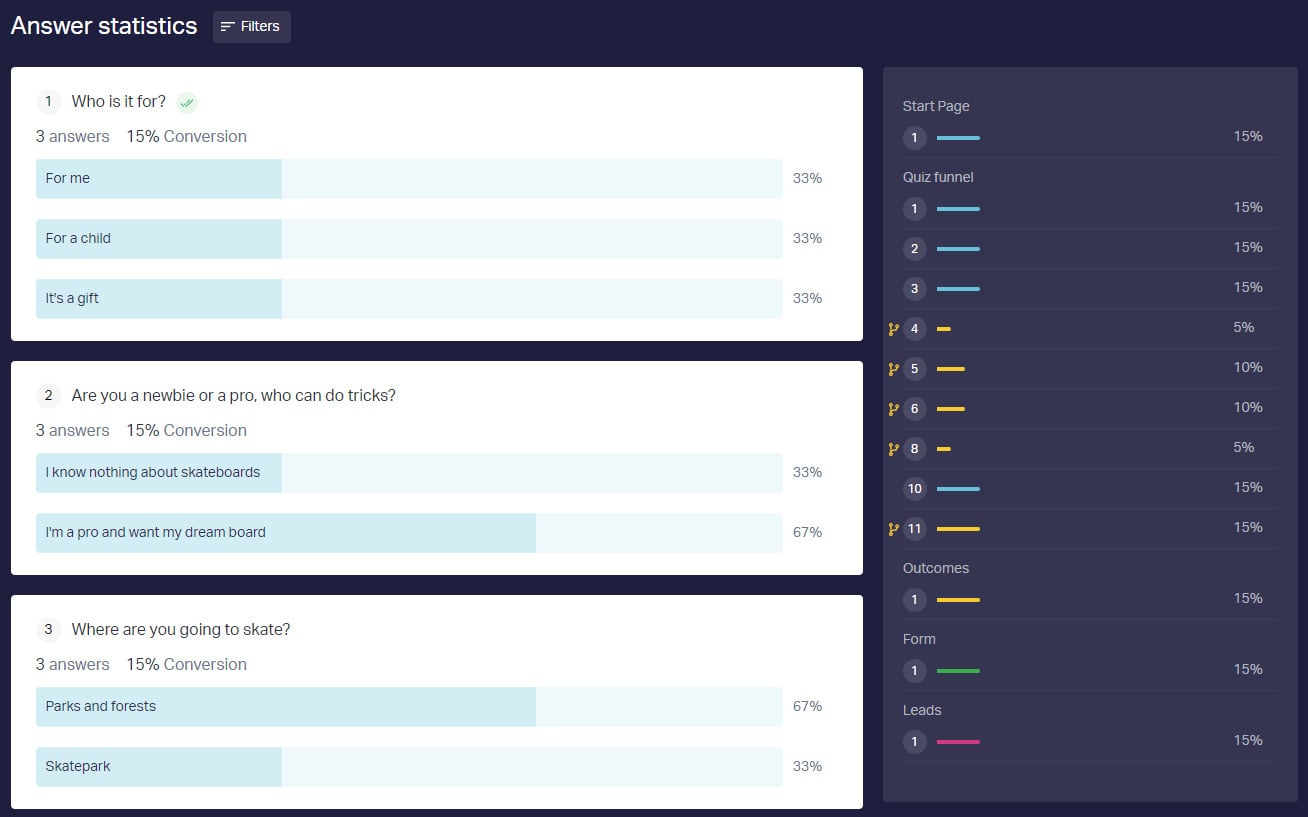
CRM integration means that leads come with context. The lead gets into the database with a story: “A company of 150 people, a budget of $50k, wants to improve the sales process, Decision Maker.” The seller doesn’t just see the contact, he sees the full picture. He no longer needs to spend 20 minutes asking “tell me about yourself”, he already knows all of this.
The result: instead of 100 random contacts, you get 20 warmed up, qualified leads who have already taken the first step towards a solution. You can improve the system quickly because you can see what works and what doesn’t.
What Is a “High-Quality Lead” (and Why Definitions Often Fail)
The marketer and the sales manager think about “lead quality” completely different.
A marketer considers a lead to be a person who:
📝 filled out the form
🔗 clicked on the link in the email
⏱ Spent 2+ minutes on the site
The sales manager looks at the result and thinks: “It’s not a lead, it’s a click. It’s not interest, it’s curiosity.” Then the manager calls 50 leads, and they tell him: “I don’t remember how I got into your base” or “Thank you, I don’t need anything” or they just hang up.
The sales manager knows that a high-quality lead is:
🎯 A person who can make a purchase decision
🔥 A person who has got the pain that you are solving
💰 A person who is willing to spend money
Why do quality definitions often fail
Mistake №1: “If the lead has filled out the form, it means they are ready to buy”
This is not true. A person can fill out a form for various reasons: curious, looking for information to compare, collecting ideas without the intention of buying, just wants to try your product for free. This is especially true for attractive bonuses. You give a checklist or a guide for filling out the form, and 500 people come to you, 450 of whom just took the bonus and left.
Mistake №2: “If it came from a paid channel, it means it’s of high quality”
Not a fact. Paid traffic can come from anywhere, including completely strange sources. Paid advertising is just money spent on clicks. The quality depends on who you showed it to and what you told them. You can spend $1,000 on Google Ads and attract 100 leads, of which only 2 are converted. You can spend $1,000 on LinkedIn Ads and attract 50 leads, of which 15 are converted. Paid advertising by itself does not guarantee quality.
Mistake №3: “If they haven’t written for a long time, it means they’re not interested”
Maybe, but often people are just in a different purchasing cycle. A company can buy a CRM once every three years. If you contacted the lead six months ago, they wasn’t ready. A month later, they’re still not ready. But after a year, when their current CRM stops working, they will remember you. If you delete it from the database, you will lose the deal.
Define Your Ideal Customer Profile (ICP)
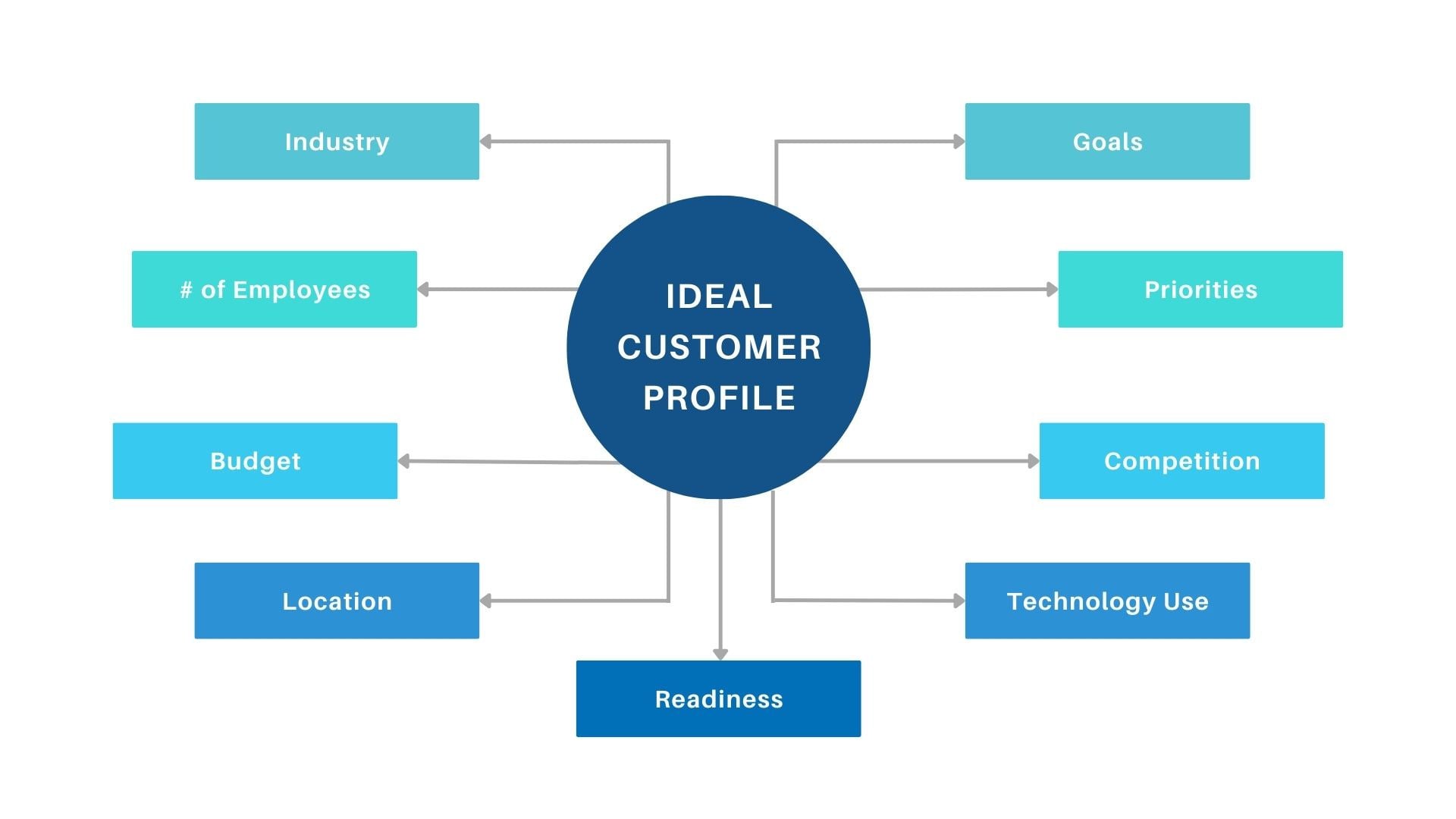
ICP is a company or a client that simultaneously:
- Pays you the most (highest revenue per client)
- Has been cooperating with you the longest (longest lifetime value)
- Feels the maximum pain that you solve (has the strongest pain point)
- Closes the sales cycle the fastest (shortest sales cycle)
- Recommends you to others (highest referral rate)
When you look at your top 10 clients and see patterns, this is ICP.
Understand Buyer Intent and Buyer’s Journey
Why is intent more important than interest?
A person is interested in your product because they want to know how it works. Maybe they’re just curious, maybe exploring the market, maybe they’re even looking for ideas for their startup. Interest can be different, and it doesn’t mean that a person is ready to buy.
A person with intent is interested in your product because they’ve already decided that they need this solution, and choose between you and a competitor. Their questions are no longer “what is it”, but “why are you better than a competitor” and “how much does it cost”.
Behavioral vs Declarative intent
There are two types of intention, and both are important.
Behavioral intent is what a person does when he thinks no one is watching.
If they look at the “Pricing” page, this is a strong engagement signal. If they look at the main page and leave after 10 seconds, this is a weak signal.
What documents do they download? If a person downloads the “Implementation Guide”, this is the intention. If he downloads “Introduction to CRM”, it may just be just interest.
Declarative intent is what a person says they need.
“I’m looking for a CRM” is a declarative intent.
“I need to improve the sales process” and “I’m ready to consider an option” are also declarative.
Both types of intent are important, but behavioral intent is often more honest. A person can lie with words, but cannot lie with actions. If they don’t look at your website for a week, then they’re not thinking about a solution. If they don’t respond to emails, then they’re not interested. If they haven’t downloaded the price list, then they’re not ready to talk about money.
Mapping Lead Expectations to Buyer’s Journey Stages
The buying cycle has three main stages, and the lead in each requires its own approach. If you take the wrong approach at the wrong stage, you will lose your lead.
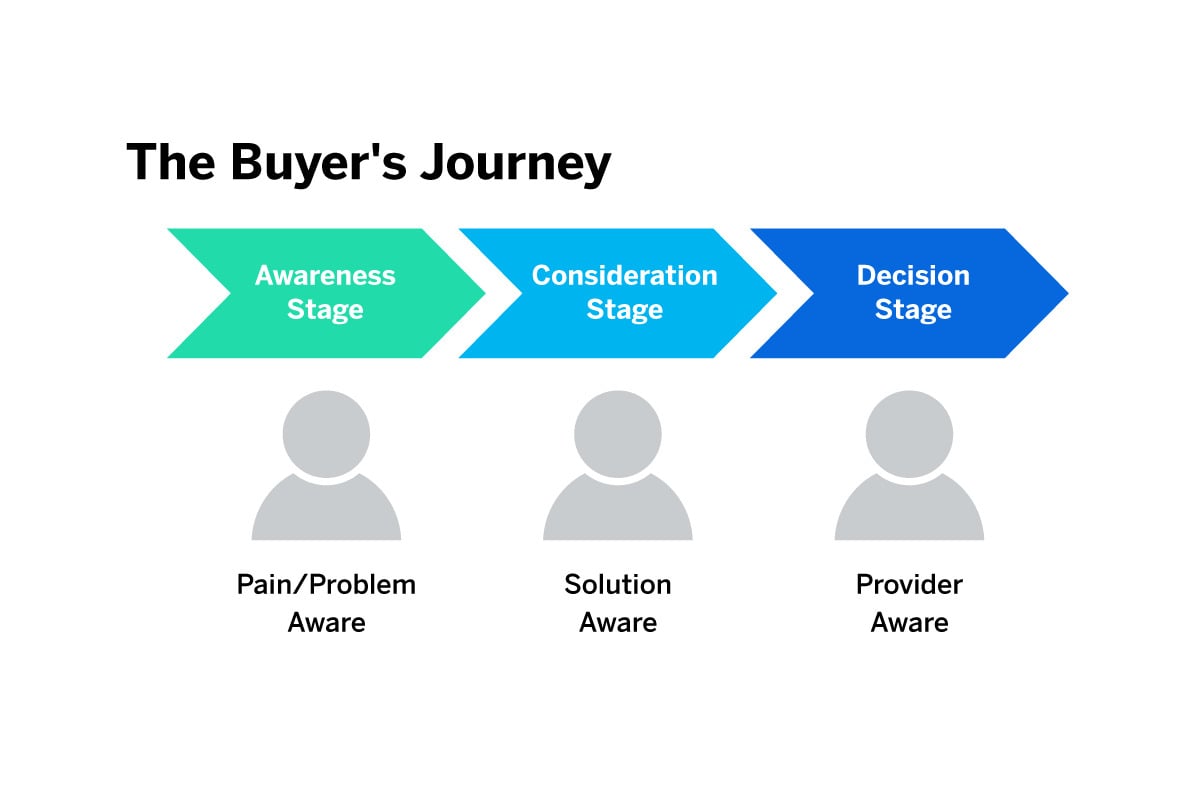
Awareness – the stage of problem awareness
At this stage, the person realizes that they have a problem. Or you help them realize it. A person may be in pain, but not realize that it is solvable. “We have a bad conversion rate” – but the person doesn’t know that the conversion rate can be improved, maybe they think it’s just that.
At the Awareness stage, the signals are as follows: reads articles about the problem, watches videos, asks questions, searches for information on the Internet. They’re not looking for a solution, but for information about the problem itself.
Consideration – the stage of considering options
At this stage, the person has already realized that they have a problem, and it is important. Now they’re looking for ways to solve it.
Signals at this stage: looks at the demo of your product, reads the cases of other companies, looks at the comparison of different solutions, asks about functions, learns about prices (but is not ready to buy). A person can spend an hour on your website, watch three demo videos, download a case study, but still not ready to talk to the seller.
Your task at this stage is to show that you are the best option. You show cases similar to his situation. You explain how you differ from your competitors.
Decision – the decision-making stage
At this stage, the person has already chosen that they need this solution, and now chooses who to buy from.
The signals at this stage are very specific: they make a call with the seller, ask for an invoice, talk about terms and conditions and ask about the contract. They want to buy, you just need to help them do it.
Your task at this stage is to remove the obstacles. Quickly send an invoice, quickly answer questions, quickly agree on a contract. Don’t try to convince them, don’t try to tell them about the advantages – they already know everything.
Audit Lead Sources and Traffic Channels
Traffic sources vary in the quality of the leads they bring in.
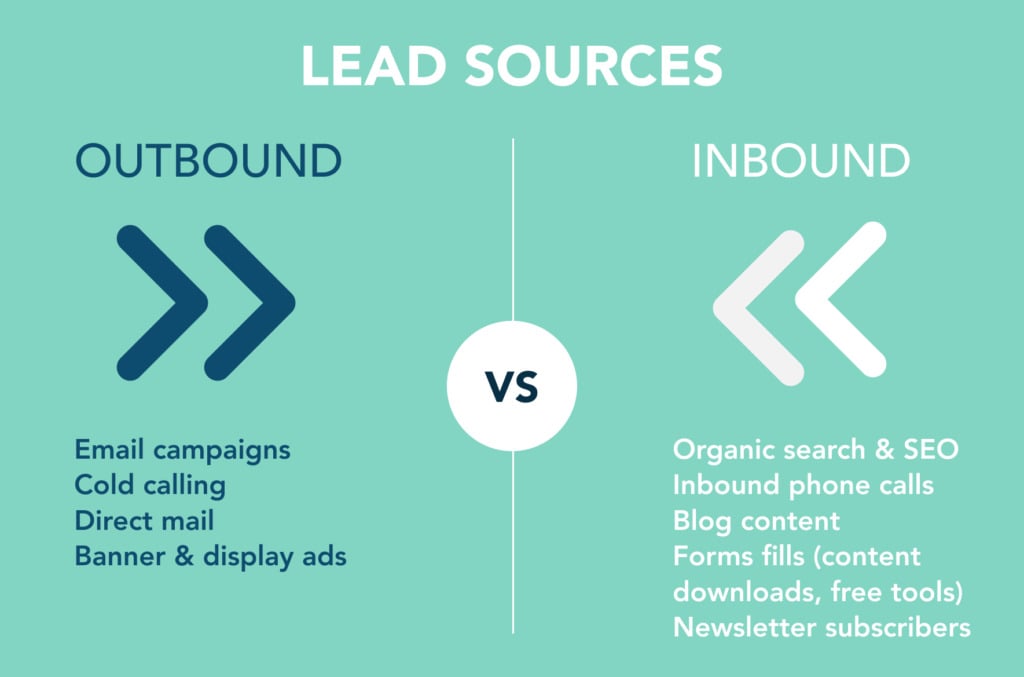
Organic search traffic is often better than social media traffic. The person is actively looking for a solution. They type “how to improve conversion” or “best CRM for sales” into Google, which means that they are already in search mode for a solution.
Email traffic (if it’s mailing to your customers or subscribers) is often better than traffic from cold ads. The person is already in contact with you. They already know you, already trust you, have already opened the email (otherwise they wouldn’t have clicked). This is a more heated traffic.
Traffic from partners and referrals is usually the best of all. There is a third party’s trust. A person doesn’t just see an ad, they hear a recommendation from someone they trust.
The traffic from paid ads can be either super-high-quality or complete garbage. It all depends on how you’re targeting and what message you’re displaying. Good ads on Google can give you a 20% conversion rate. Poorly configured Facebook ads can give 0.5%.
Improve Lead Capture Mechanisms
The lead capture mechanism is the first point where you can either improve or destroy the lead quality. Here are fifteen practical tips to help you attract higher-quality leads and grow your business:
1. Choose the Right Place for Advertising
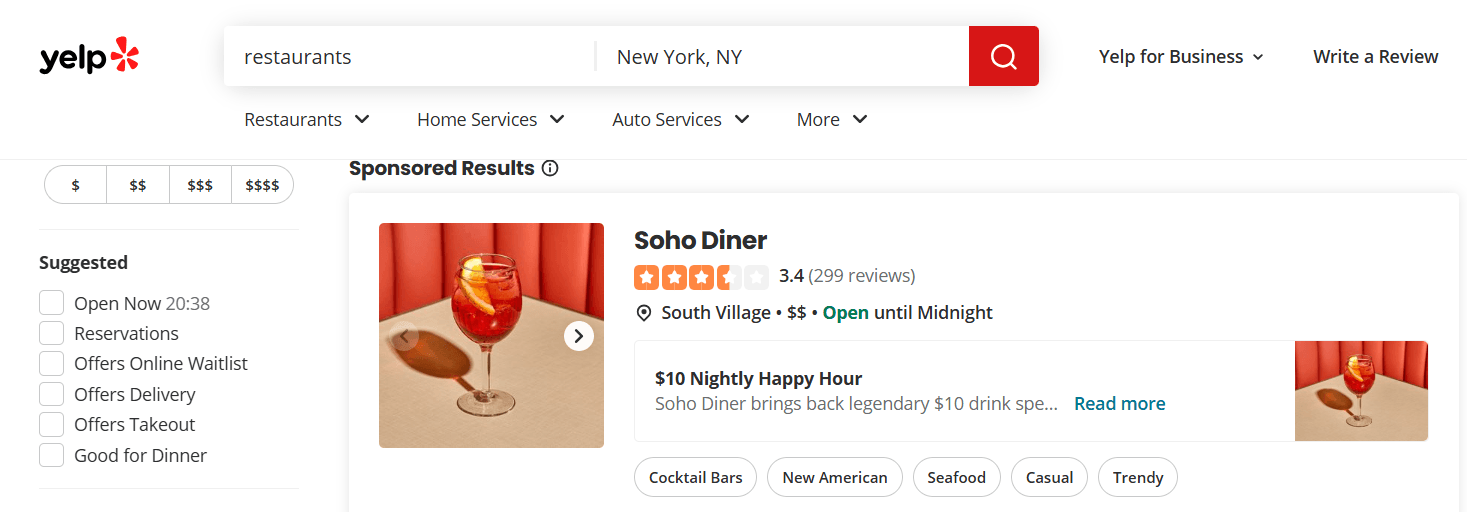
The internet is packed with advertising options, but not all of them will land you quality leads. Stick to platforms where your ideal customers actually hang out. Sure, the reach might be smaller, and the ad costs might be steeper, but it’s worth it—because that’s where the real buyers are. Think of it like fishing: tossing a wide net into the wrong waters won’t get you the right catch. Instead, go where the high-quality leads are already swimming. A strategic ad placement means every dollar you spend works harder, bringing in leads that truly matter.
2. Set Realistic User Expectations
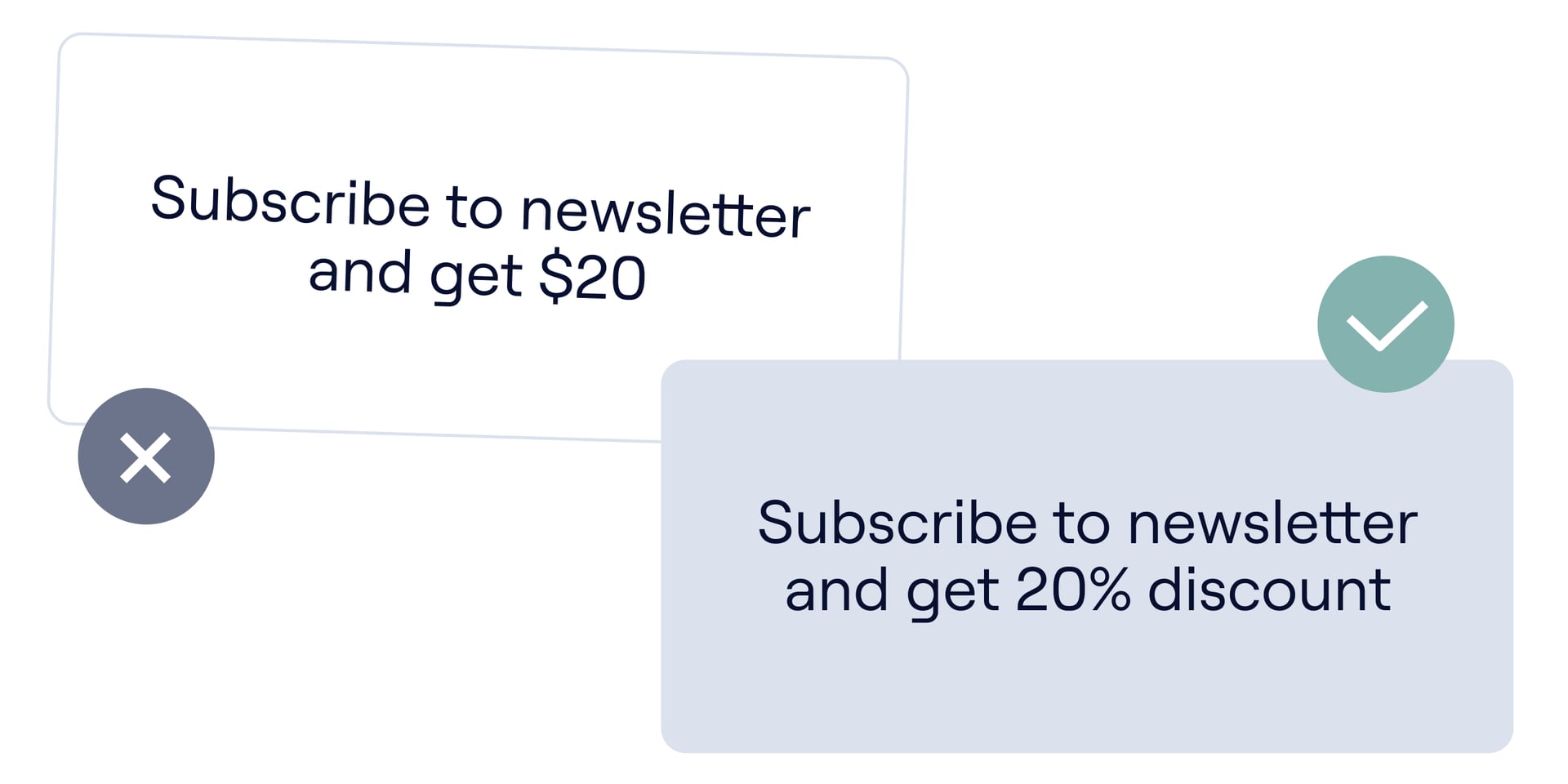
Sure, giveaways and bonuses can spike conversions, but here’s the catch—some people sign up just for the freebie and disappear. That’s not a real lead. Be smart about incentives. Instead of drawing in anyone with a pulse, craft offers that speak directly to your ideal customer. Attract people who actually care about what you’re selling, not just those looking for a quick freebie. Keep it relevant, keep it strategic, and you’ll filter out the time-wasters while locking in leads that matter.
3. Optimize the Advertising Campaign for Conversion
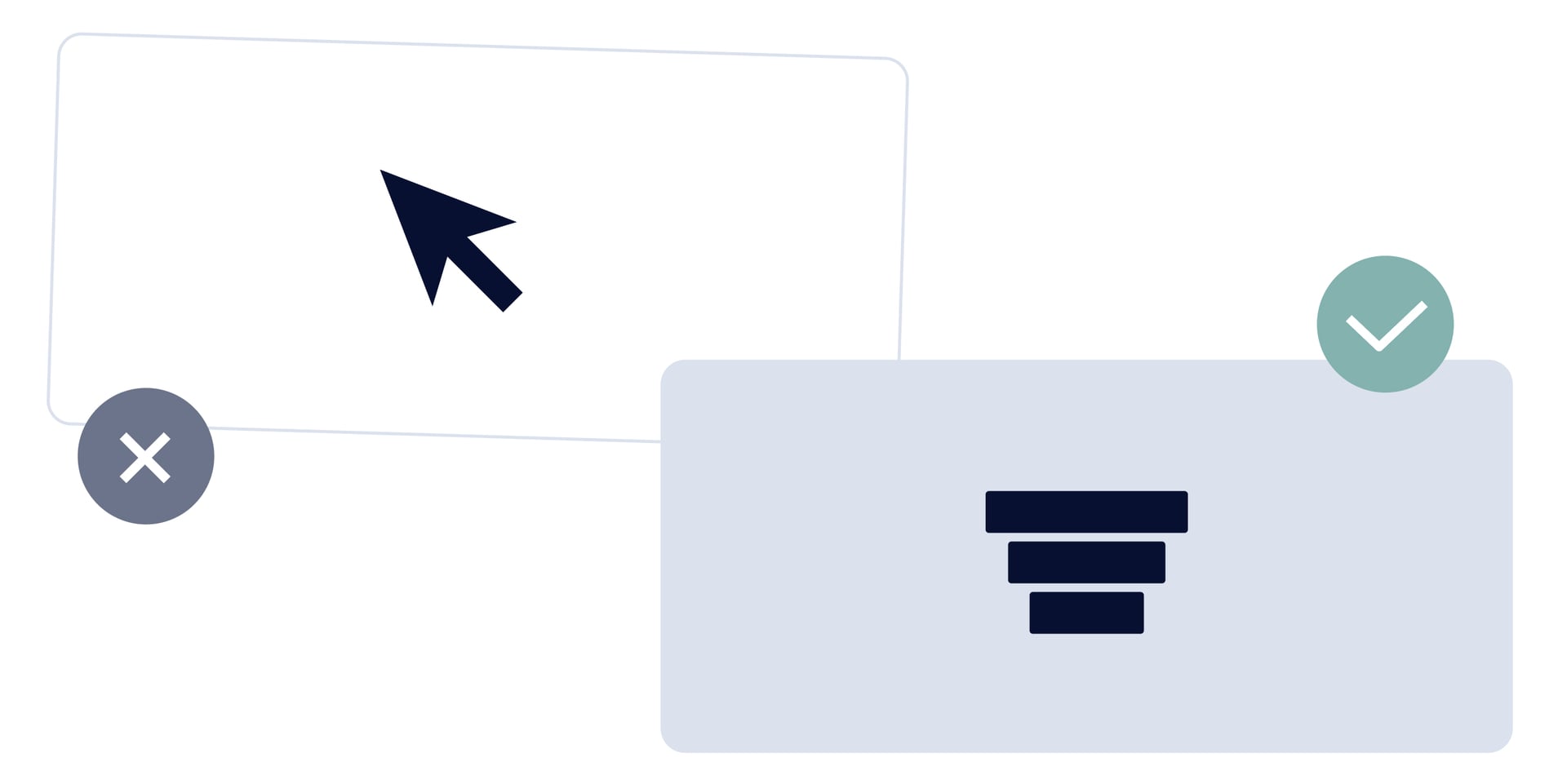
Don’t just aim for clicks—optimize your campaign to attract users who actually take action. Set up your ads so that algorithms prioritize people who are more likely to complete key actions on your site, like filling out a contact form, rather than just clicking through. This way, you’ll filter out casual browsers and focus on those who engage with your content and are serious about reaching out. Regular campaign analysis and adjustment ensure your ad spend targets prospects with genuine purchase intent.
4. Convey the Value of the Offer on the Landing Page
Your landing page needs to set the right expectations from the start—no fluff, no confusion. Keep it clear and to the point, making sure visitors know exactly what they’re getting and why it’s worth their time. Vague promises? Not a good look. Instead, highlight key benefits, tackle common objections, and use strong visuals or testimonials to build trust. The more upfront and transparent you are, the more likely you’ll attract the right people—and turn leads into actual buyers.
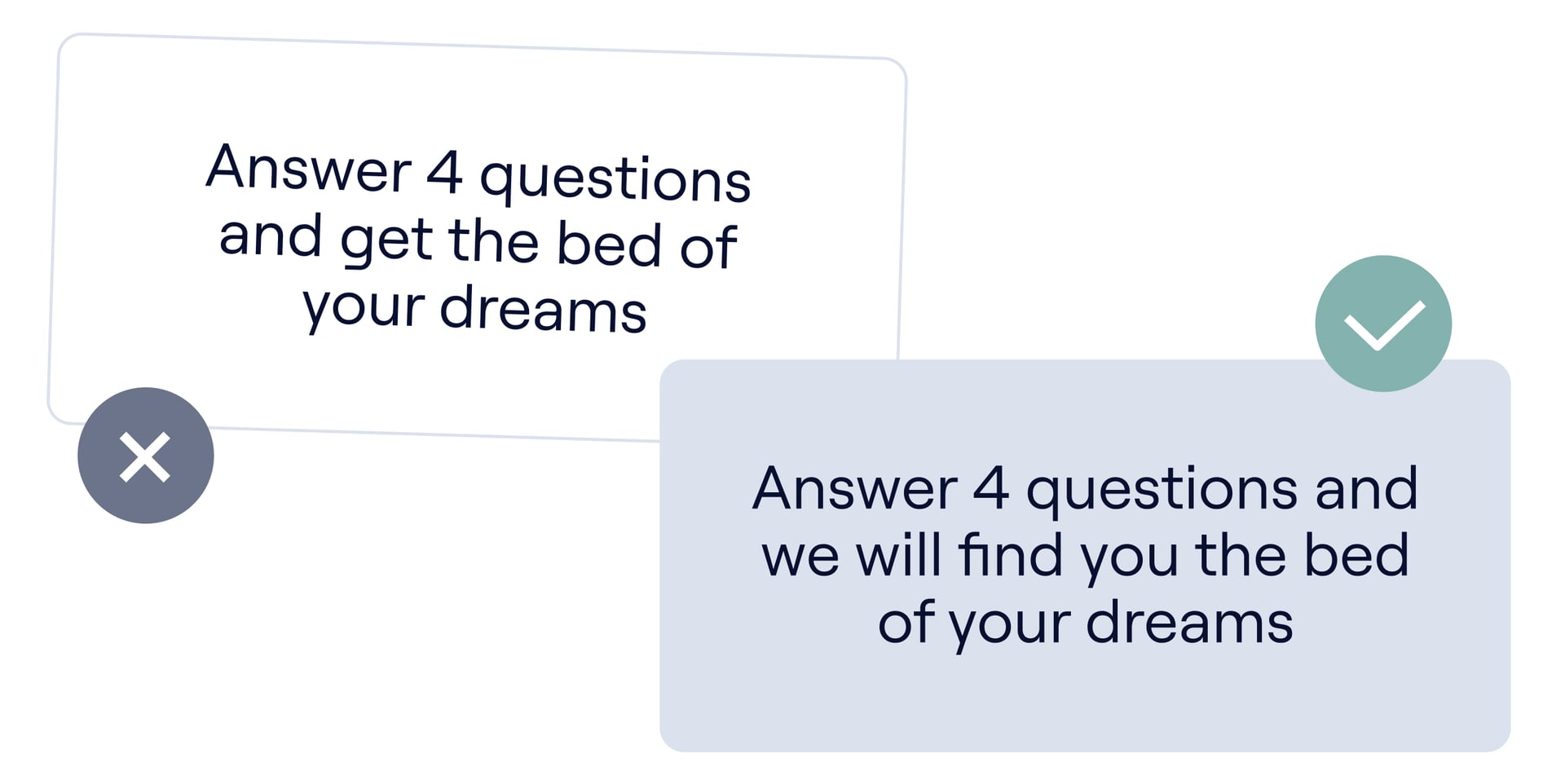
5. Make Use of Marketing Quizzes
Marketing quizzes aren’t just trendy—they’re lead-generation powerhouses when done right. Skip the basic contact forms and use a tool like Marquiz builder to create something interactive that actually serves visitors. A well-built quiz engages visitors, sorts out serious prospects from casual browsers, and hands you valuable data about what your audience really wants

6. Make Engaging Questions
Your quiz needs to actually help people make choices. When you take the headache out of decision-making for your prospects, you’ll naturally get more quality leads. But throw in random questions, and you’ll get exactly what you’d expect—useless responses and turned-off potential customers.
Think of your quiz as your digital consultant, walking prospects through their buying journey step by step. Every question should pull its weight—whether it’s figuring out if they’re a good fit, understanding what they need, or nudging them closer to a decision. No fluff, just questions that matter and get results.
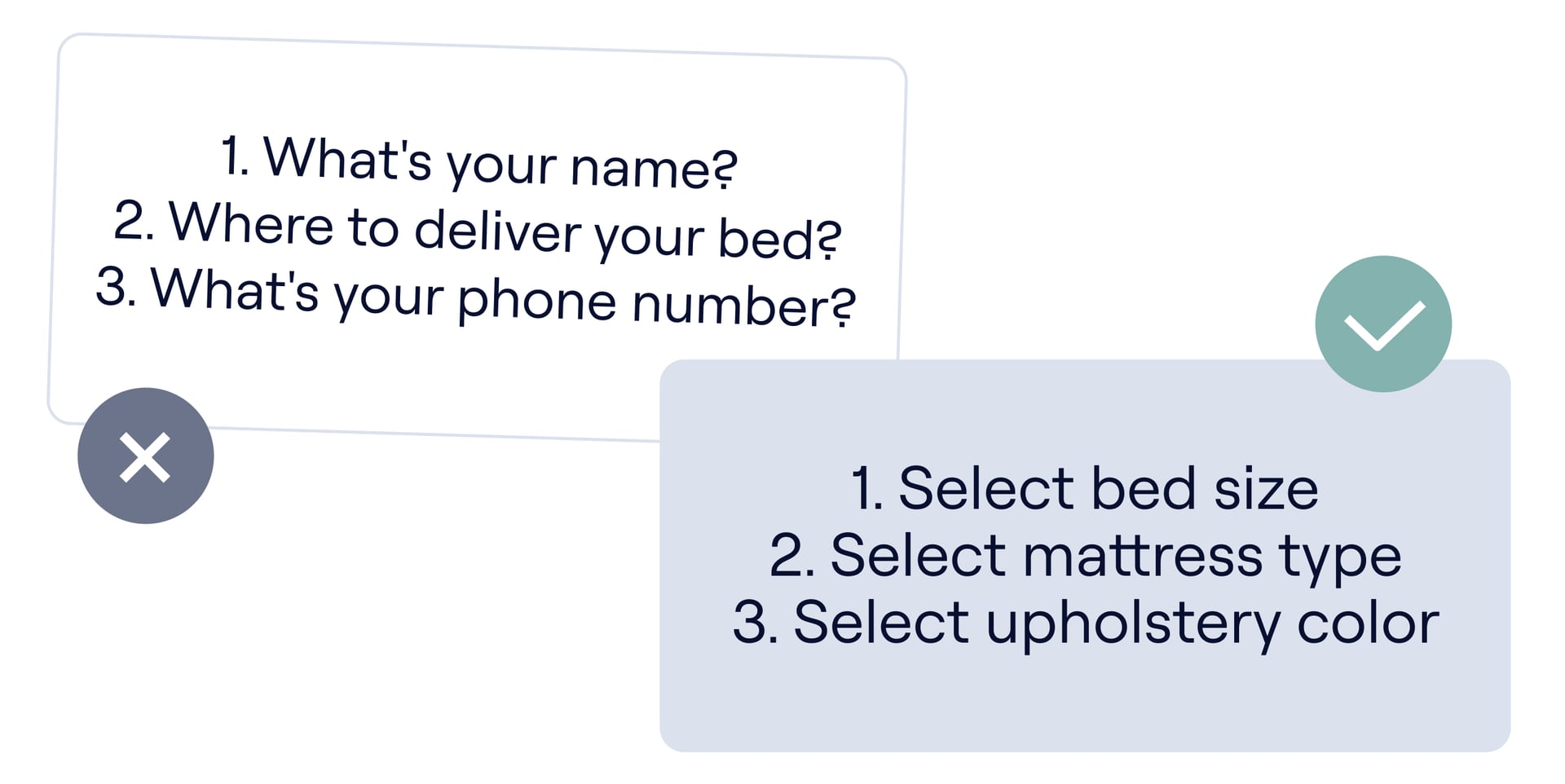
7. Explain Why You Need the User’s Contact Information
Be upfront about why you’re asking for contact details—it’s all about building trust, not playing games. When you clearly explain what’s in it for them (like a personalized quote or valuable insights), people are way more likely to share real contact info. Transparency beats tricks every time, and you’ll see that in the quality of your leads.
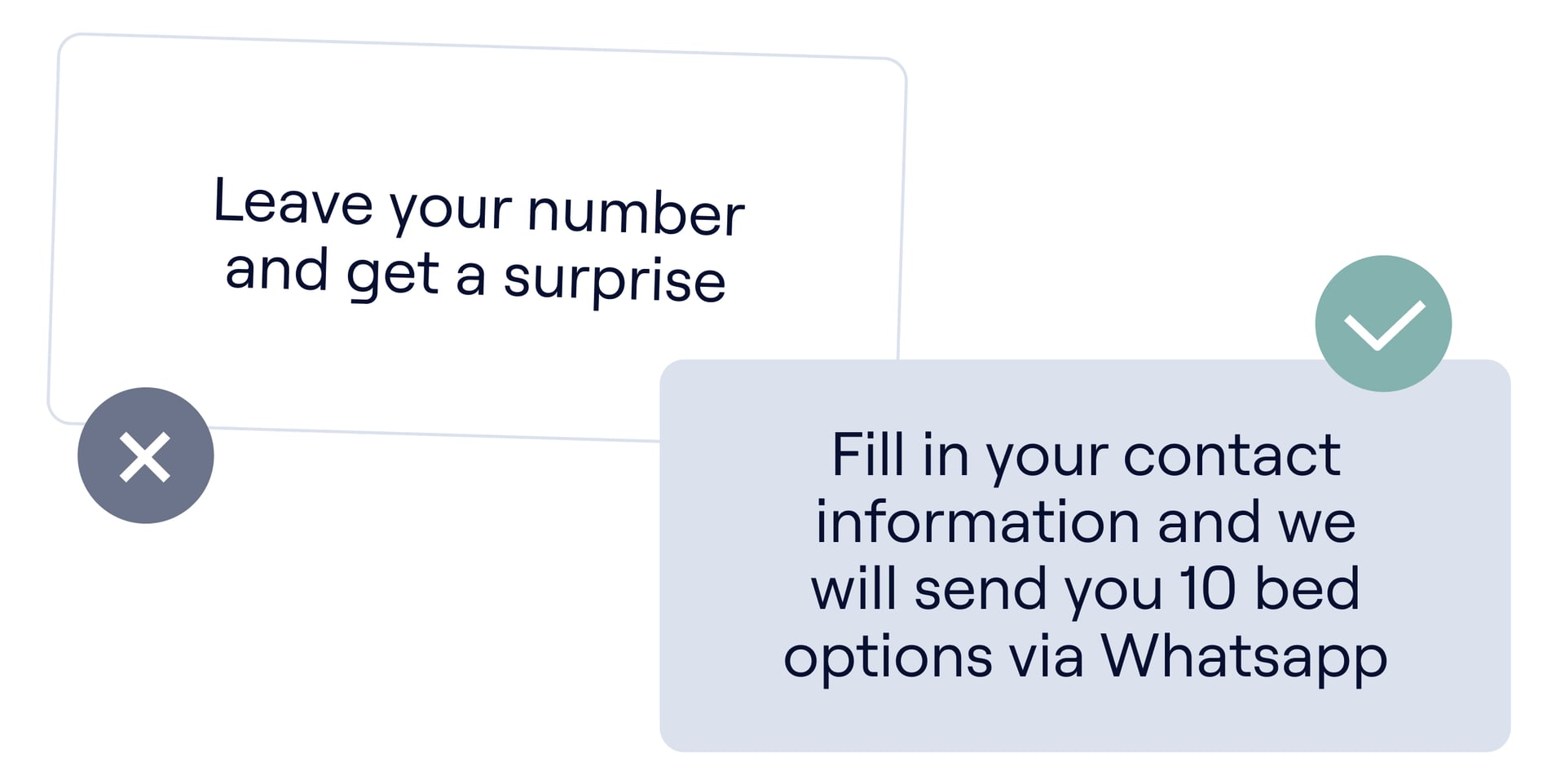
8. Always Deliver Promised Offers But Only After Verification
Don’t just hand out your lead magnets to anyone who fills out a form—that’s asking for trouble. Sure, someone can punch in any random email or phone number and grab your freebie. Instead, use verification tools like messenger bots and chat services to make sure you’re dealing with real people who are actually interested. This way, you protect your valuable content while building a list of genuine leads.
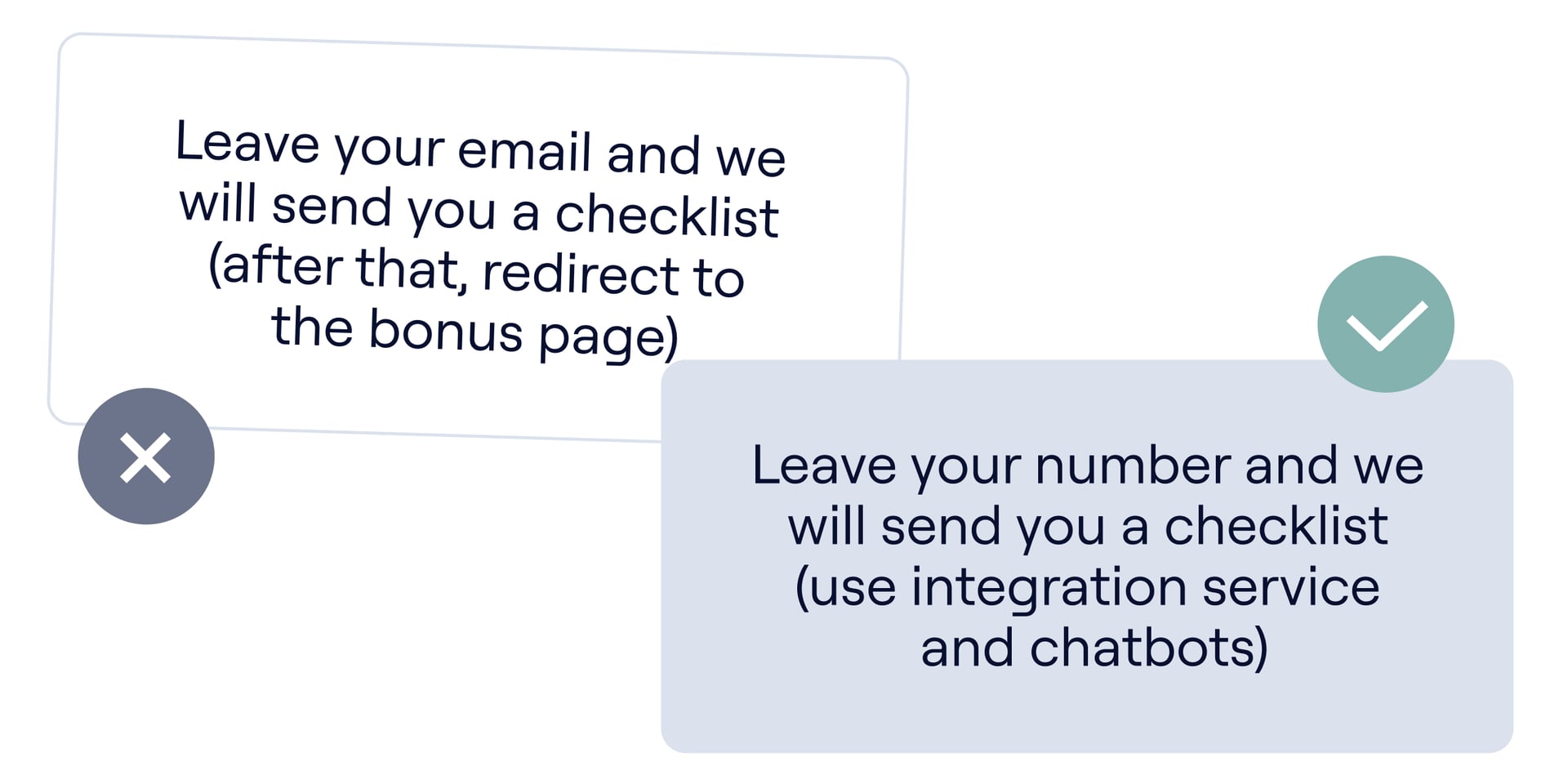
9. Verify Leads to Prevent Spam
In competitive markets, you might face some sketchy tactics from rivals. Verify leads with a quick call to weed out the spam. And if you notice multiple requests from the same number, don’t just write them off—track these patterns to protect your lead quality. This extra step helps ensure you’re working with real prospects, not fake submissions.
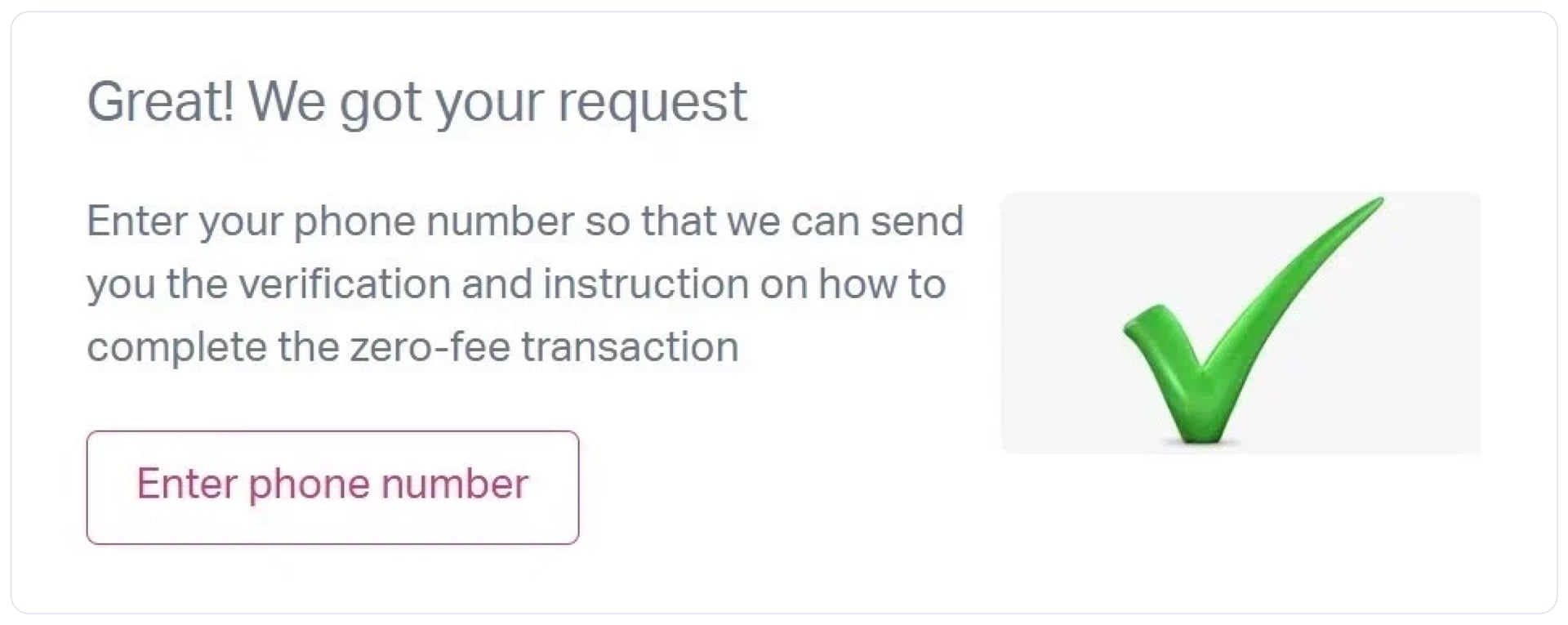
10. Make Sure That the Branding and Company Name are Clear to the User
To boost lead quality, start with crystal-clear branding. When people instantly get what your company does just from your name and branding, you’re already winning half the battle. Think about it—confused prospects rarely turn into quality leads. This isn’t just marketing talk—it’s crucial info for your sales team, too. Get everyone on the same page about your brand messaging to avoid those dreaded “I never signed up” responses.
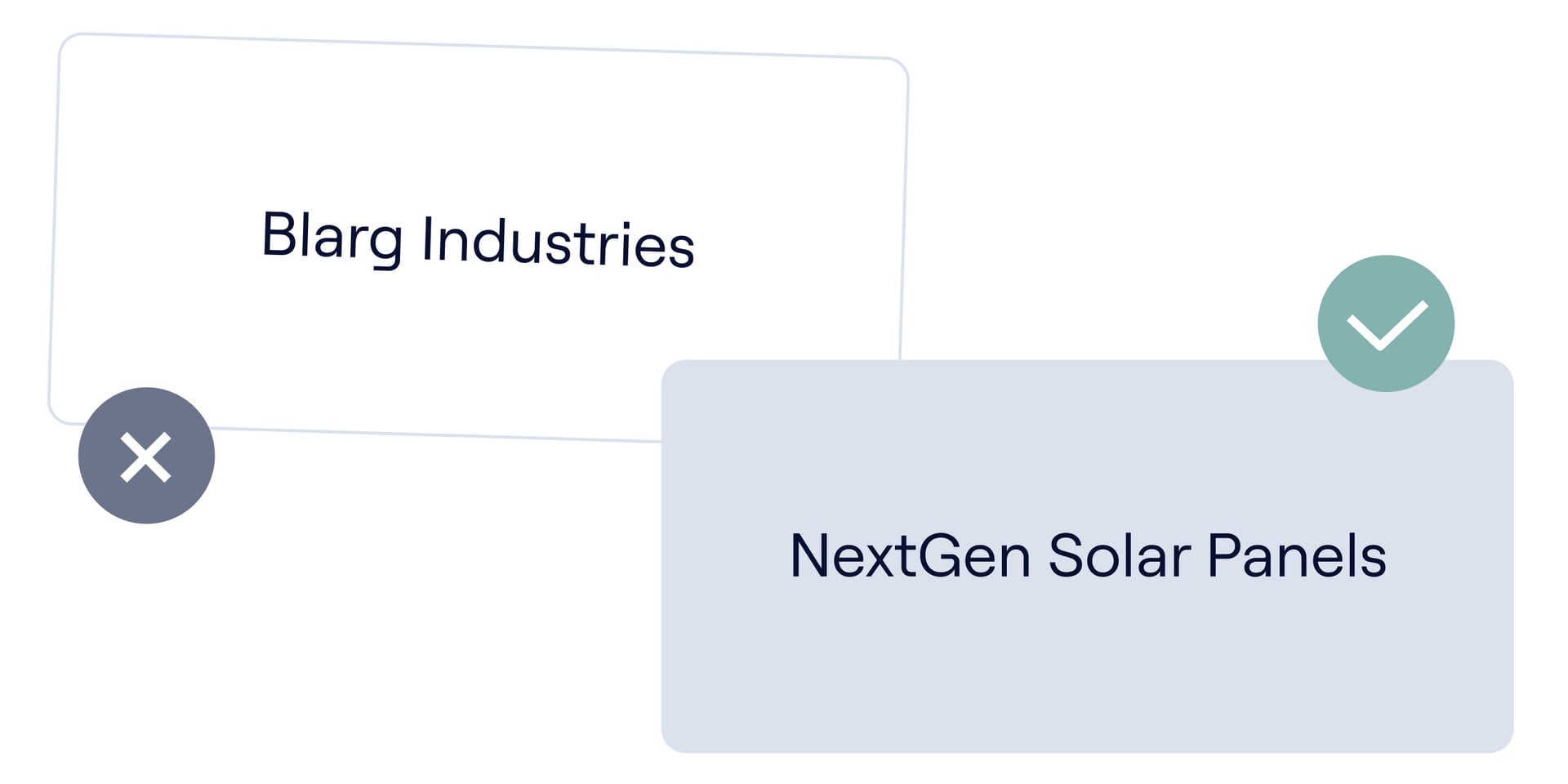
11. Process Applications in a Timely Manner
Timing is everything with leads. Someone might take your quiz during their lunch break, juggling their phone and sandwich, and completely forget about it by tomorrow. Make sure new leads hit your CRM instantly, and follow up within the timeframe you promised on that “Thank you” page. Quick response times show you’re serious about helping, and your leads are still warm when you reach out.
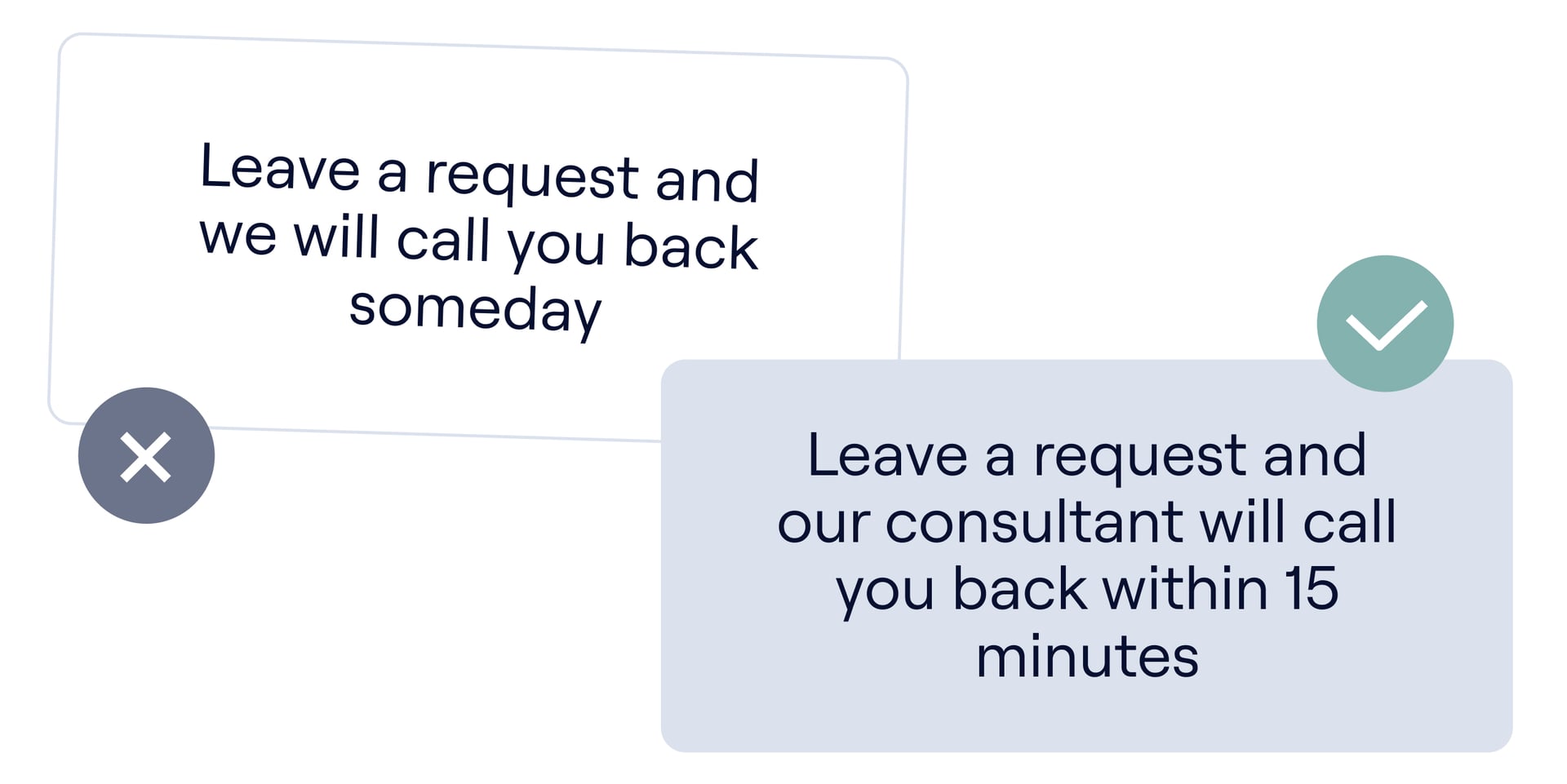
12. Don’t Subscribe the User to Something They Didn’t Subscribe To
Keep it simple and honest—if you promised a quote, stick to that. Don’t pull a bait-and-switch by contacting them for other stuff they never asked for. Let’s face it, nobody likes feeling tricked. Building trust means delivering exactly what you promised, no surprise subscriptions or hidden agendas. This transparency is crucial for maintaining long-term relationships and protecting your brand’s reputation in an increasingly skeptical market.
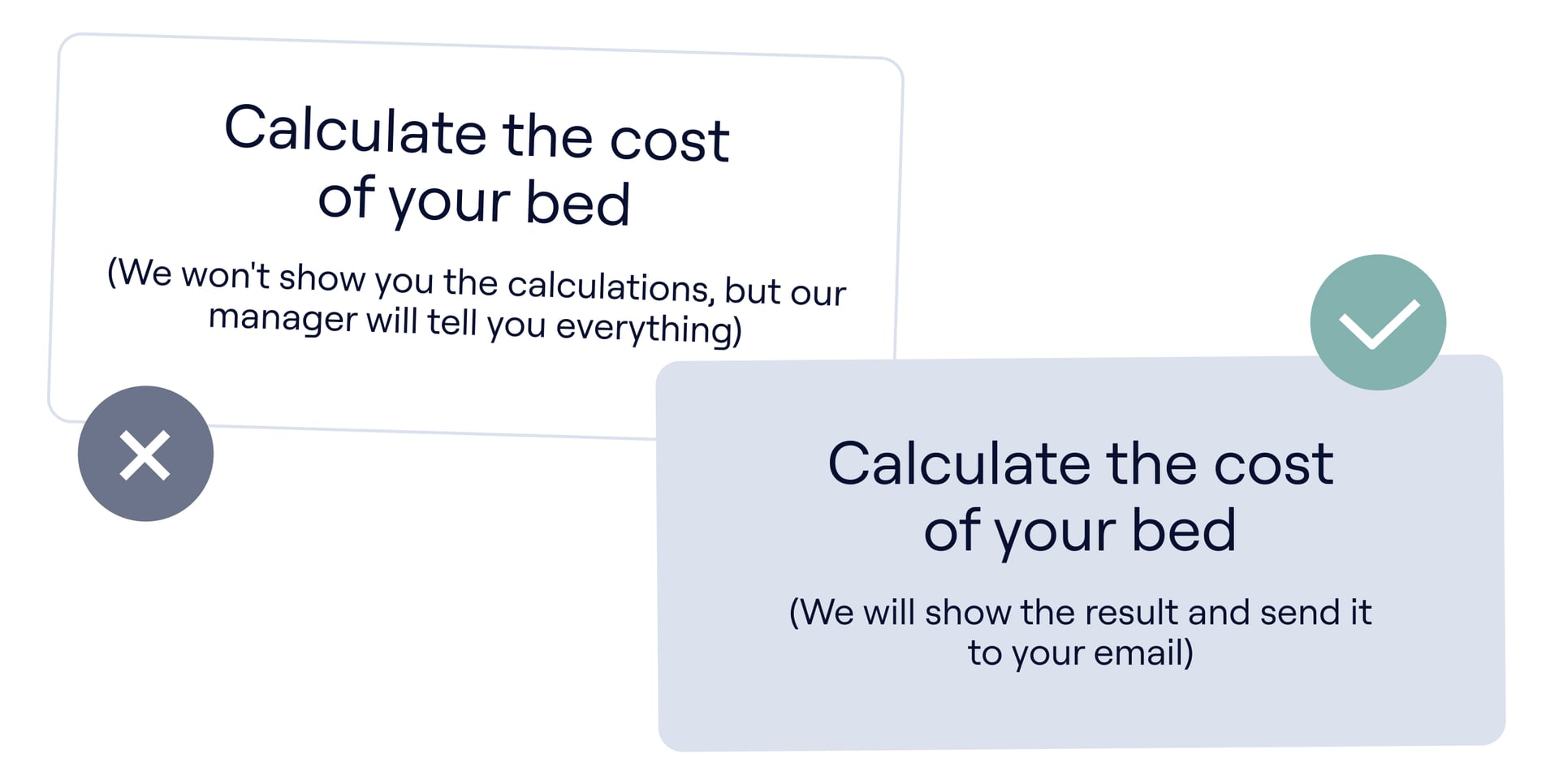
13. Manage Your Database Carefully and Update Lead Requests Early in Communication
Just because someone joined your database two years ago doesn’t mean they’re still interested today. Things change, people move on. Start fresh by gently checking if their needs are still the same. A quick “Hey, I noticed it’s been a while” works better than assuming they’re ready to buy. Regular database maintenance ensures your sales team focuses their energy on prospects who are genuinely interested in your current offerings.
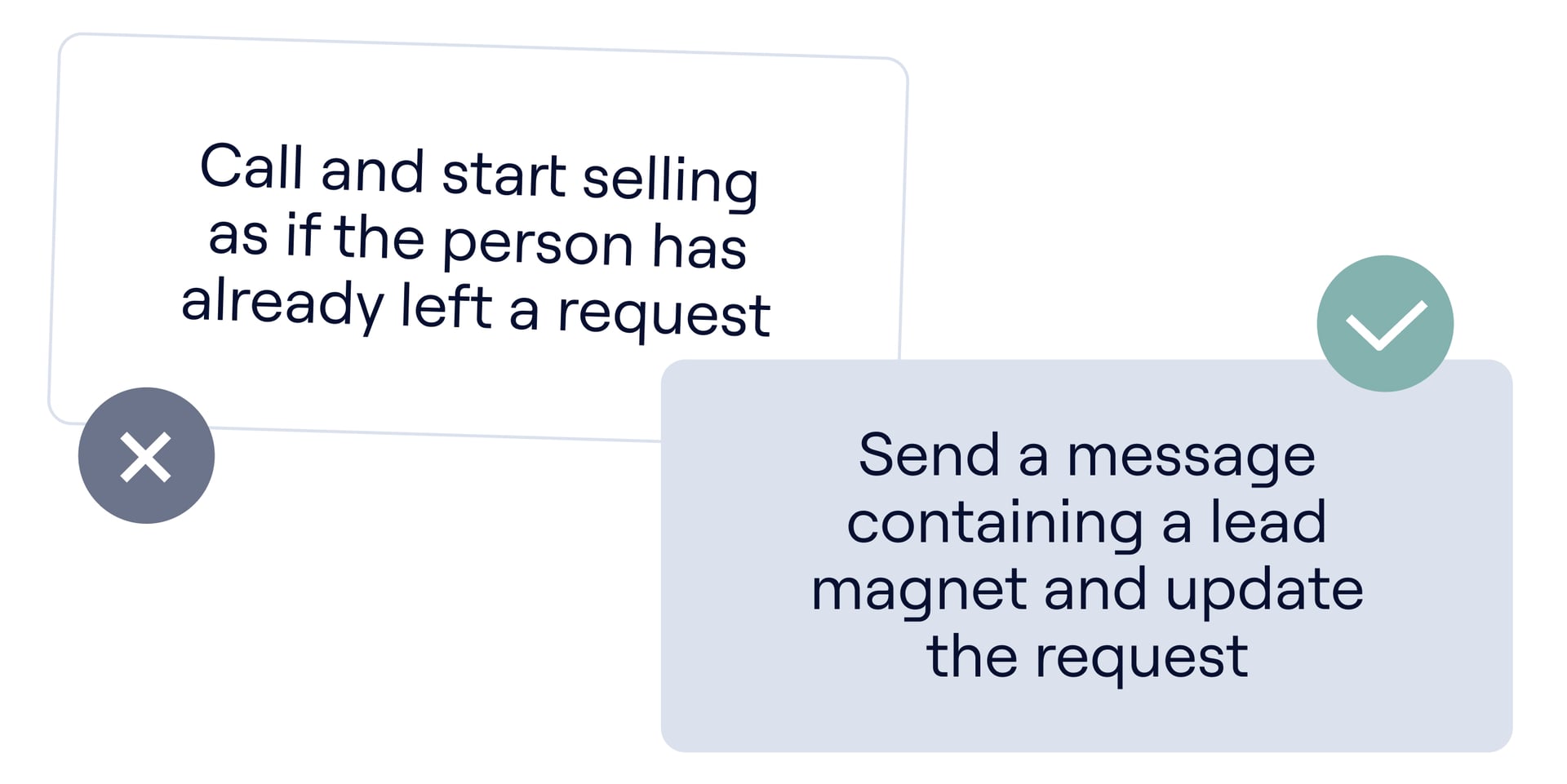
14. Leave the User Alone if They Made it Clear They Don’t Want to Communicate
Take the hint—if someone’s dodging your calls or hanging up, don’t keep hammering away. Multiple follow-up calls won’t magically change their mind; they’ll just create bad blood. Nothing turns a lukewarm lead ice-cold faster than feeling harassed. Respect their space and move on. Your time is better spent nurturing relationships with prospects who show genuine interest in engaging with your business.
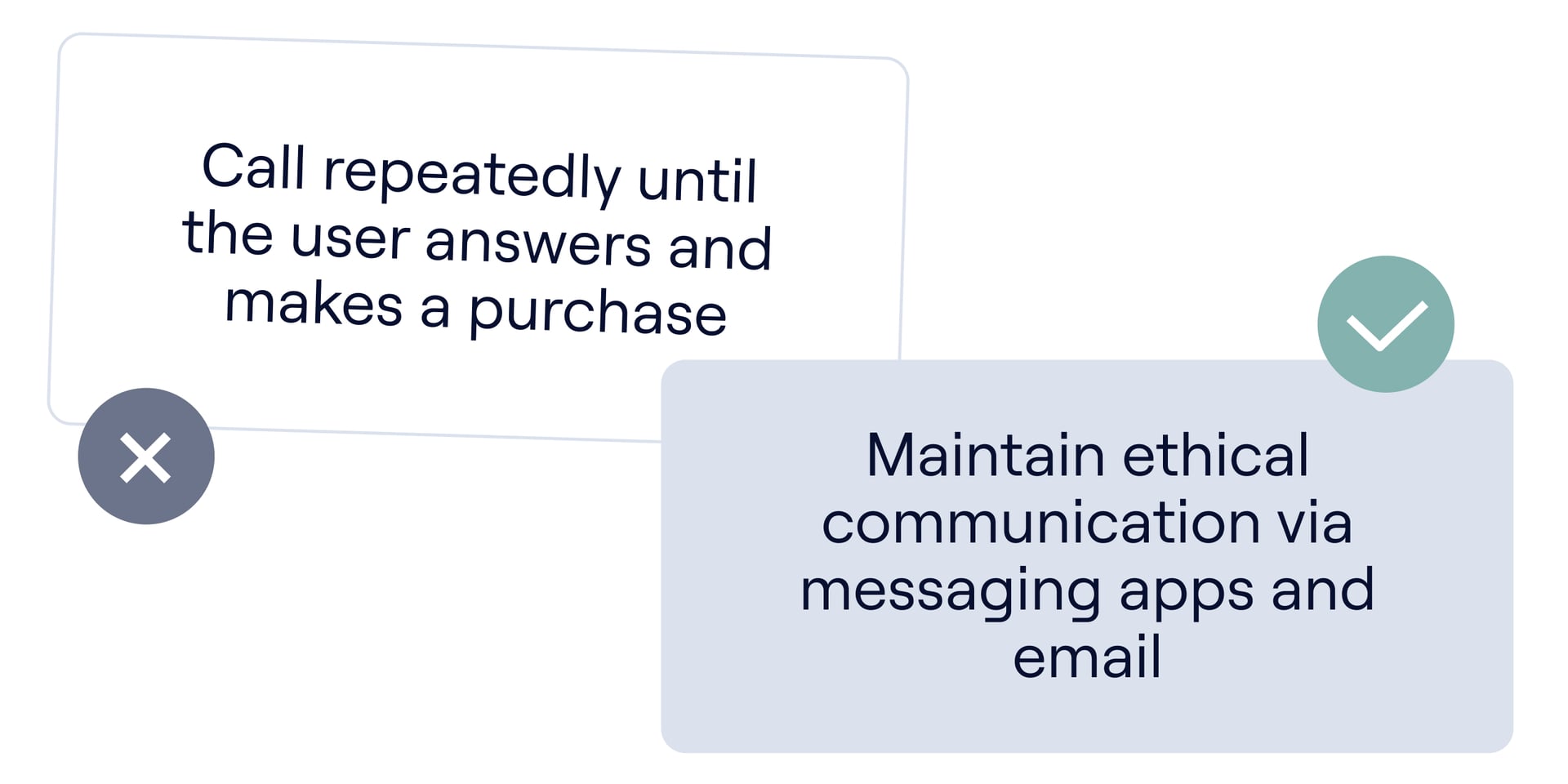
15. Use Email and Messaging Apps Instead of Calling
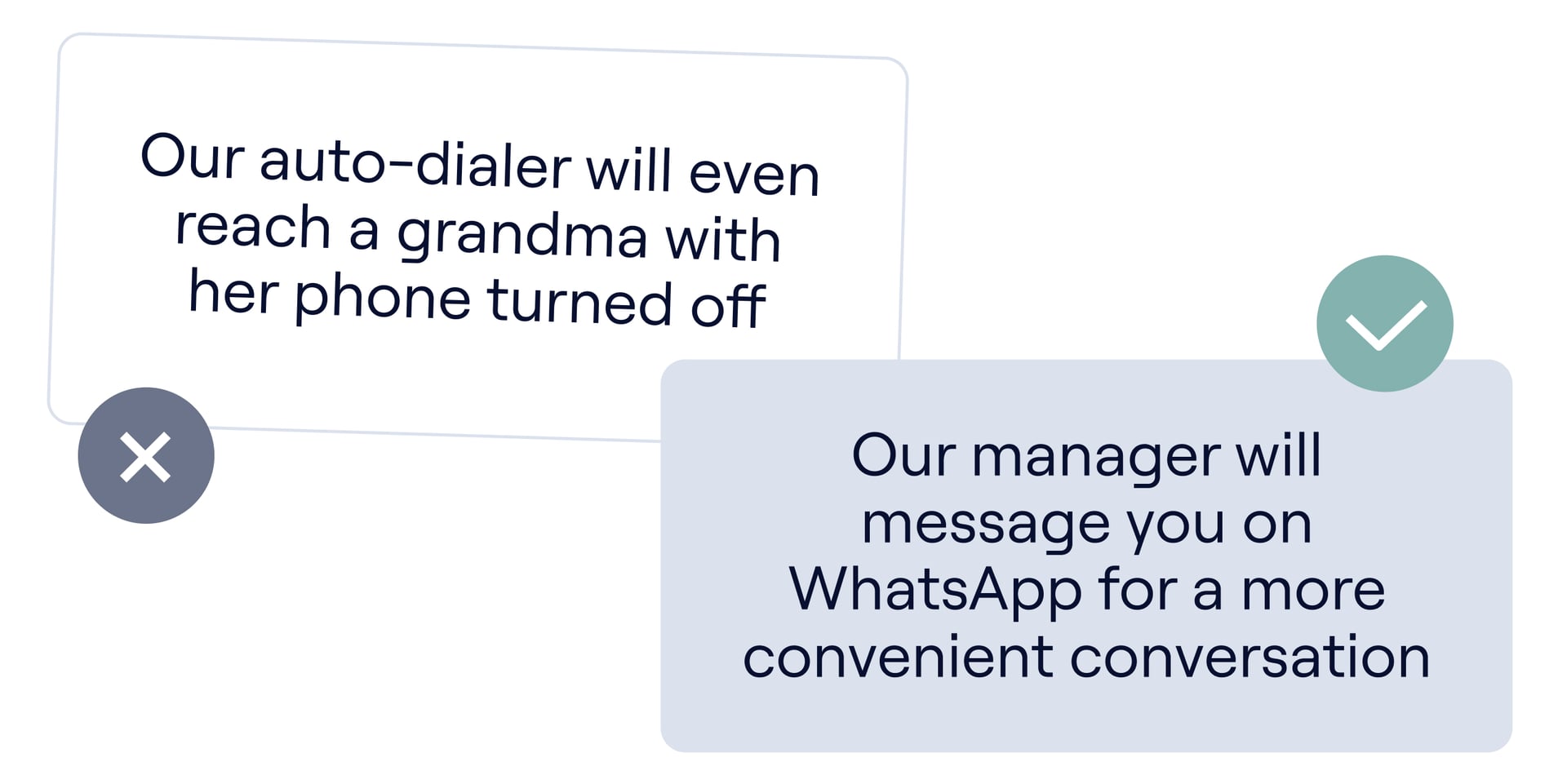
Switch up your approach—try sliding into their DMs instead of calling. People are way more comfortable sharing their WhatsApp handle than their phone number these days. Plus, most folks prefer typing to talking. Keep it casual in chat, and you might find your leads more responsive and engaged. This approach also gives them the flexibility to respond at their convenience, leading to more productive conversations and stronger relationships.
Qualification and Lead Scoring
Imagine: you have received 100 leads in a month. They are all in your CRM. Now the question is: who should I start with? You call everyone in order, and half of them say “not interested.”
That’s why a raw lead without qualifications is useless.
The manager doesn’t know which lead to take on first. If you don’t have a prioritization system, then the manager works chaotically. He can spend a day on a cold lead that will never buy, and miss a hot lead that is ready to buy.
The company loses warm leads, which cool down while waiting. The lead filled out the form, wants to know more, and you haven’t sent him anything for three days. During these three days, he’s already talking to a competitor, he’s already chosen a solution.
Qualifications solve all these problems. It transforms chaos into structure.
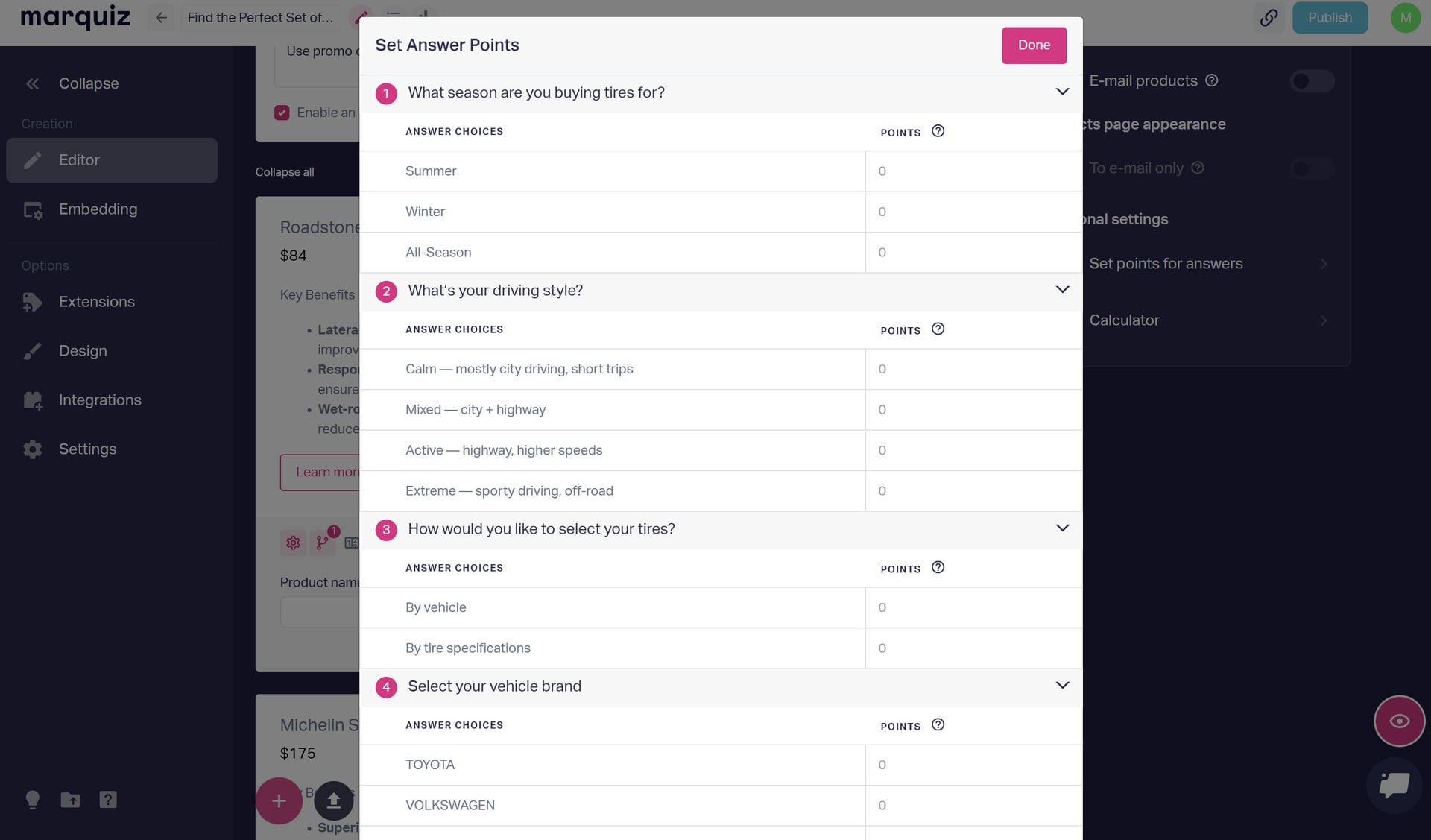
The idea of lead scoring is simple: you assign points to the leads for different parameters, and then use these points for prioritization.
Here is an example of a simple scoring system:
- A company in the target industry: +10 points
- Company size in the ICP range: +15 points
- The region matches: +5 points
- On the site for more than 5 minutes: +5 points
- Visited the Pricing page: +20 points
- Downloaded the Case Study: +15 points
- Opened email: +5 points
- Replied to the email: +10 points
- Budget of $50k+: +20 points
MQL vs SQL
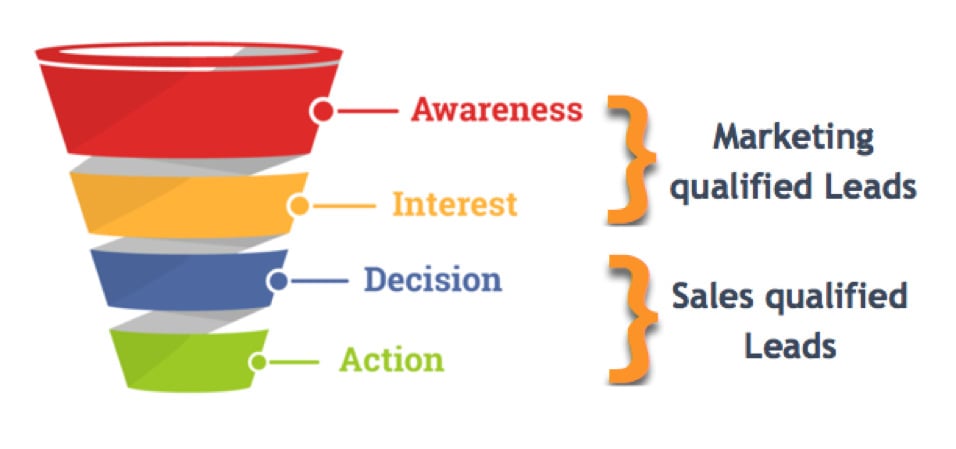
MQL (Marketing-Qualified Lead) is a lead that has achieved a certain number of points and meets the marketing criteria. The marketer says: “Here, this lead meets our criteria, give it to the sales manager.” In fact, it’s just a lead that is potentially worth paying attention to.
Example: a lead from a company in the target industry, the size of an ICP, at the Consideration stage, has a budget. This is MQL, it meets the marketing criteria. But the manager hasn’t yet spoken to them, hasn’t yet confirmed that they can actually buy.
SQL (Sales-Qualified Lead) is a lead that the manager has already talked to, realized that the person can really buy, and opened a deal. This is a different level of readiness.
Example: the manager called MQL, the person said that they really have a pain that we are solving, there is a budget, there is decision power, the deadlines are clear. The manager opened a deal in CRM. Now it’s SQL.
Filtering, Validation, and Data Quality Control
Spam, fake leads, and people who are completely unsuitable are a waste of money. One fake lead in the database, and you’ve wasted the seller’s time, sent an email, and lost one slot in the mailing list.
Validation is a few steps that you take before handing over a lead to a CRM or manager.
A quick call before transferring to CRM. You call lead immediately after they fill out the form and check: “Hi, am I calling the name you specified? Do you work for Company X? Are you a decision maker?” If this is not true, you know that the lead is of poor quality.
Email verification before sending emails. You check that the email exists, that it is active, and that emails are getting there.
It’s extra work, but it pays off a million times over. Instead of spending hours calling fake leads later, you will spend an hour on validation and make sure that only real people are in CRM.
Lead Nurturing: Turning Medium-Quality Leads into High-Quality Ones
The idea is simple: you don’t start with selling, you start with education.
At the first stage, you send useful content. Articles that help a person deal with their problem. Videos that explain how people solve this problem. Checklists that help to take the first step.
After a week or two, you show the cases. The stories of other companies that were in a similar situation, and how they solved the problem. A person looks and thinks: “Oh, maybe this will help us too.”
After a month, you can already offer a demo or a call. Now the person understands that he needs it, and is ready to talk.
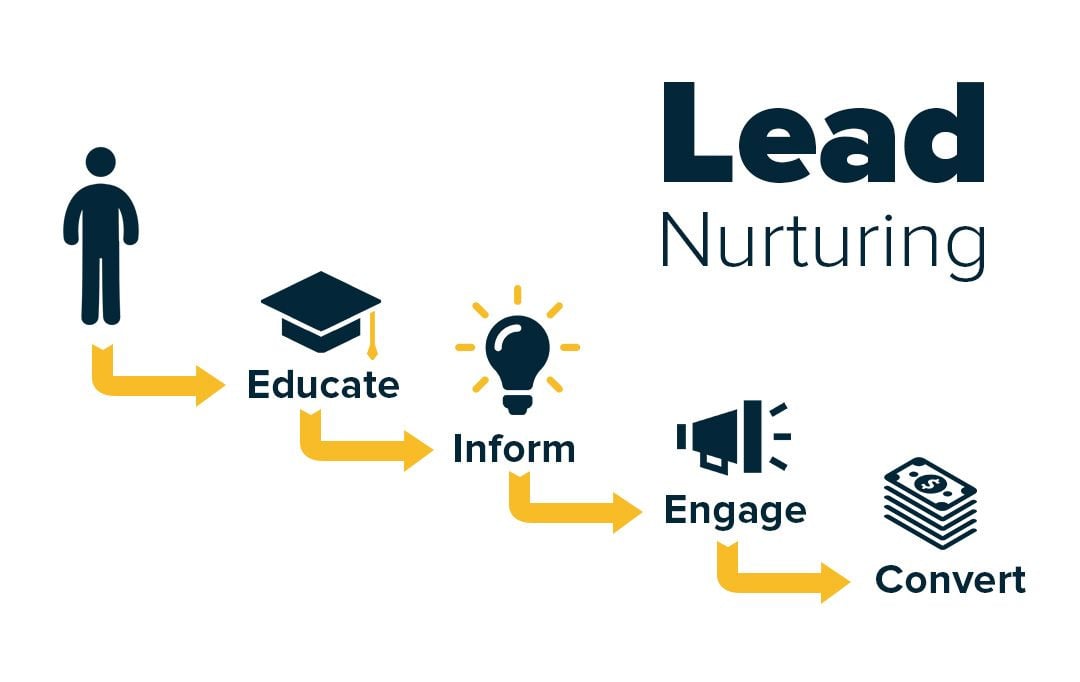
The result: instead of a chaos of calls and rejections, you have a structured process. People go through stages. At each stage, they become more ready. By the time they get to the seller, they are already halfway there.
Measure, Analyze, and Optimize Continuously
If you don’t measure, you don’t improve. It’s a simple law.
Many companies look at the wrong metrics. They look at the number of leads, the cost of the lead, and the CTR of the ad. These metrics aren’t bad, but they don’t tell you the main thing: lead quality and conversion.
Lead-to-SQL Conversion Rate
This is the percentage that shows which % of the leads become sales-qualified. If it’s 2%, the problem is somewhere in the process. Maybe the problem is the qualifications. Maybe the ICP is the problem. If it’s 20%, you’re catching the right people and qualifying them correctly.
Time-to-SQL
This is the time that the lead spends in the funnel until it becomes SQL. If it’s 2 weeks, that’s good, the cycle is short. If it’s 6 months, maybe you’re building up too much nurturing, or people just aren’t ready.
Cost Per Qualified Lead
This is the money you spent divided by the number of qualified leads. If you spent $500 on a qualified lead, and the average check is $2,000, this is the norm. If you spent $2,000, it’s a loss.
SQL-to-Deal Conversion
This is the percentage that shows which % of the SQL becomes the real deal. If it’s 50%+, sellers get good leads. If it’s 10%, either the managers are not working well, or the leads are not as ready as they seem.
Conversion Rate by segment
This is a detailed analysis:
Which traffic is converted best – Google, LinkedIn, Referral, Email?
Which questions in the quiz correlate with the purchase – if the person answered X, then the probability of purchase is higher.
Which messages work better – which subject line in the letter leads to greater openness.
This analysis helps you set up the system. You see what’s working, and you duplicate it.
Lead Quality Is a System, Not a Tactic
The system consists of many parts, and each part affects the outcome. If one part is broken, the whole foundation collapses.
A company that perfectly owns a high-quality lead generation system wins. They get paid less for a high-quality lead because they know how to look for it. They close deals faster because the leads are already warmed up. They work with the client longer because the client is right. It’s just awareness and a system. Start with one point, and everything else will start to grow from that foundation.